Broadband Availability: Unlocking Digital Connectivity

Introduction

In today’s interconnected world, broadband availability stands as a cornerstone of modern society, enabling communication, commerce, and cultural exchange like never before. This comprehensive article aims to guide readers through the intricate landscape of broadband, exploring its definition, global impact, technological foundations, economic implications, regulatory frameworks, and future potential. By delving into these aspects, we will uncover the significance of widespread broadband access and its role in shaping our digital future.

Understanding Broadband Availability

Definition:
Broadband availability refers to the accessibility and infrastructure supporting high-speed internet connections across various regions and demographics. It encompasses technologies and networks that facilitate the rapid transfer of large volumes of data, enabling users to engage in activities such as streaming media, online gaming, cloud computing, and remote collaboration.

Core Components:

Historical Context:
The concept of broadband emerged in the late 20th century as a response to the growing demand for faster internet access beyond traditional dial-up connections. The early 1990s saw significant advancements with the introduction of DSL and cable modem technologies, offering users initial glimpses of high-speed internet. The turn of the millennium marked a pivotal moment with the widespread adoption of broadband, fueled by the growth of online services, e-commerce, and multimedia content.

Significance:
Broadband availability is transformative in several ways:

Global Impact and Trends

International Influence:
Broadband availability is not limited by geographical boundaries; its impact is felt worldwide. According to the International Telecommunication Union (ITU), global fixed broadband subscriptions reached 47.3% of the world’s population in 2021, showcasing significant progress. However, substantial disparities exist between developed and developing nations.

Regional Disparities:

Trending Developments:

Economic Considerations

Market Dynamics:
The broadband market exhibits unique characteristics:

Investment Patterns:

Economic Impact:

Technological Advancements

Key Innovations:

Impact on Broadband Availability:

Future Potential:
Emerging technologies like quantum computing, edge AI, and 6G networks promise further breakthroughs in broadband capabilities, including unprecedented data transfer rates and low-latency communications. These innovations will shape the future of digital connectivity, enabling new applications and transforming industries.

Policy and Regulation

Regulatory Frameworks:
Governments play a pivotal role in shaping broadband availability through policies and regulations:

Key Policies:

International Cooperation:
Global organizations like the ITU facilitate international cooperation on broadband policies, sharing best practices, and setting standards to ensure cross-border connectivity. The World Summit on the Information Society (WSIS) also played a seminal role in shaping global broadband policies.

Challenges and Criticisms

Main Challenges:

Criticisms and Solutions:

Case Studies

Case Study 1: South Korea’s Broadband Revolution
South Korea is renowned for its advanced broadband infrastructure, offering some of the fastest internet speeds globally. The government’s aggressive investment in FTTH networks has resulted in near-universal broadband access. This success can be attributed to proactive policies, public-private partnerships, and a high national savings rate facilitating infrastructure development. South Korea’s experience showcases how robust broadband infrastructure can drive economic growth, enhance digital literacy, and foster a culture of innovation.

Case Study 2: Kenya’s Mobile Money Revolution
In Kenya, mobile network operators introduced mobile money transfer services, leveraging widespread mobile penetration. M-Pesa, a pioneering service, enabled users to send and receive money via mobile phones, providing a financial safety net for millions of Kenyans, many of whom lacked access to traditional banking services. This case highlights how broadband availability can enable innovative financial technologies, enhancing economic participation and inclusion.

Case Study 3: The Digital Divide in Rural America
The United States faces a significant digital divide, particularly in rural areas where broadband infrastructure is scarce. Initiatives like the Rural Broadband Access Program (RBAP) aim to bridge this gap by providing subsidies for high-speed internet deployment. While progress has been made, ensuring sustainable and affordable broadband access remains a challenge in these regions. This case study underscores the need for tailored solutions addressing unique geographic and economic challenges.

Future Prospects

Growth Areas:

Emerging Trends:

Strategic Considerations:

Conclusion

Broadband availability is a catalyst for societal and economic progress, enabling new opportunities, fostering innovation, and enhancing connectivity worldwide. From its early beginnings to the cutting-edge technologies of today, broadband has transformed how we live, work, and interact. As we look ahead, addressing challenges like the digital divide, investing in advanced infrastructure, and embracing emerging technologies will be crucial for harnessing the full potential of broadband.

The future of broadband promises even greater speeds, improved coverage, and innovative applications, shaping a more connected world. By navigating the complex interplay of technology, policy, and economic factors, we can ensure that broadband availability continues to empower individuals, businesses, and communities globally.

FAQ Section

Q: What is considered broadband internet speed?
A: Broadband internet speeds are generally defined as those exceeding 25 Mbps (megabits per second) for downloads and 3 Mbps for uploads. These speeds allow for seamless streaming, downloading, and online gaming.

Q: How does broadband differ from dial-up internet?
A: Dial-up internet uses a traditional telephone line to connect to the internet, offering much slower speeds (typically below 1 Mbps) compared to broadband. Broadband utilizes dedicated high-speed connections, providing significantly faster data transfer rates.

Q: What are some common challenges in deploying broadband infrastructure?
A: Challenges include terrain and geographical barriers, especially in rural areas; obtaining rights of way for underground or aerial installations; and ensuring the affordability of broadband services for low-income households.

Q: How does net neutrality impact broadband availability?
A: Net neutrality ensures that internet service providers treat all online content and applications equally. This principle promotes open access to the internet, encouraging competition and innovation by allowing users to choose their preferred content and services without restriction.

Q: What role does 5G play in broadband availability?
A: 5G networks offer ultra-fast mobile internet, low latency, and massive device connectivity, enabling new applications like autonomous vehicles, remote surgery, and advanced IoT devices. They are expected to drive demand for even faster broadband connections.

broadband availability – broadband-availability.buzzzoomer.com

Arizona Buzz Zoomer

Category: broadband availability

  • Broadband Availability: Unlocking Lending Access for All Borrowers

    Broadband Availability: Unlocking Lending Access for All Borrowers

    Broadband availability is a critical factor shaping lending services, impacting borrowers' access and experiences. High-speed internet influences loan applications, research, and engagement with lenders. Disparities in broadband accessibility create a digital divide, affecting underserved rural areas. Lenders can address this by expanding infrastructure, offering tailored programs, using detailed data maps, and promoting digital literacy. Bridging the digital divide enhances financial inclusion, empowers borrowers, and fosters economic growth. Strategies include targeted interventions, flexible practices, and leveraging technology to reach diverse creditworthy individuals and businesses. Integrating broadband data into lending platforms and marketing ensures informed decisions and market penetration. Ultimately, broadband availability is key to a competitive, inclusive, and efficient lending industry in the digital age.

    The digital landscape is transforming traditional lending practices, with data becoming a powerful tool for borrowers and lenders alike. However, the effectiveness of this transformation hinges on broadband availability—a factor often overlooked in financial discussions. This article delves into the intricate relationship between broadband access and borrower behavior, specifically exploring how regional disparities in broadband availability influence their planning and utilization of lending data. By examining these trends, we aim to provide valuable insights that can foster more inclusive and efficient financial services.

    Understanding Broadband's Role in Lending Access
    broadband availability

    Broadband availability plays a pivotal role in shaping access to lending services, significantly influencing borrowers’ journeys towards financial solutions. In today’s digital age, high-speed internet connectivity has become an essential infrastructure for various sectors, including finance. When evaluating lending data, understanding broadband accessibility is crucial as it directly impacts individuals’ ability to engage with lenders and explore borrowing options. A comprehensive analysis of this relationship reveals the potential for enhanced inclusion or uncovered disparities in the lending landscape.

    The impact of broadband availability is multifaceted. Firstly, it enables borrowers to conduct thorough research on lending products, comparing rates and terms efficiently. Online platforms and digital tools have streamlined the process of applying for loans, making it more accessible than ever. However, not all regions enjoy equal levels of broadband connectivity. Rural or underserved areas might face challenges in accessing these digital resources, creating a potential divide in borrowing opportunities. For instance, a study by the Federal Communications Commission (FCC) in the United States highlighted that while 95% of urban households had access to broadband, only 67% of rural residents could claim the same, leading to disparities in financial services availability.

    Addressing this digital divide is essential for ensuring equitable lending practices. Lenders and regulatory bodies can collaborate to bridge the gap by implementing targeted initiatives that enhance broadband availability. These efforts might include investing in infrastructure to expand high-speed internet access or offering incentives for providers to serve underserved areas. By doing so, borrowers across diverse geographic locations can leverage digital platforms effectively, comparing lenders and securing favorable loan terms. This strategic approach not only promotes financial inclusion but also empowers borrowers with the knowledge to make informed decisions.

    Mapping Lendable Populations Based on Infrastructure
    broadband availability

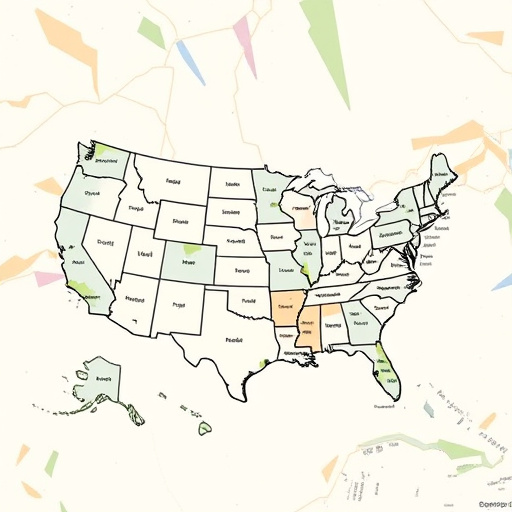
    Broadband availability plays a pivotal role in shaping the lending landscape, particularly when mapping lendable populations based on infrastructure. In today’s digital age, access to high-speed internet has become as essential as traditional utilities for economic participation and financial services accessibility. Lenders recognize that broadband availability acts as a critical enabler or barrier to extending credit, especially in remote or underserved areas. A comprehensive understanding of this factor is crucial for developing inclusive lending strategies.

    For instance, a detailed broadband availability address lookup can reveal clusters of unconnected households within an otherwise densely populated region. This information empowers lenders to identify potential gaps in their customer base and tailor targeted outreach programs. For example, rural communities often face challenges due to the cost and logistical complexities of deploying traditional infrastructure. However, with increasing investment in fiber-optic networks and innovative solutions like satellite internet, these areas are becoming more connected. Lenders who stay abreast of such developments can proactively engage borrowers in these regions by offering digital literacy programs or flexible, broadband-enabled loan products.

    By leveraging mapping tools that integrate broadband availability data, lenders can make informed decisions about branch locations, product offerings, and marketing strategies. This proactive approach not only enhances customer access to financial services but also contributes to bridging the digital divide. Moreover, it fosters a more robust and inclusive lending environment where borrowers, regardless of their physical location or infrastructure status, have equal opportunities to participate in economic activities and build creditworthiness.

    The Digital Divide: Impact on Borrowing Opportunities

    broadband availability

    Broadband availability plays a pivotal role in shaping borrowing opportunities for individuals and businesses alike. The digital divide, exacerbated by disparities in broadband access, significantly impacts credit markets, with far-reaching consequences for both lenders and borrowers. In today’s world, where financial transactions and data sharing have become increasingly digital, ensuring equitable broadband accessibility is crucial to foster inclusive borrowing.

    The impact of limited or no broadband availability on borrowing behavior is profound. Borrowers in rural or underserved areas often face challenges when applying for loans due to the inability to access online platforms and digital lending systems. Traditional lenders may overlook these regions, leading to a dearth of financing options for local residents and businesses. This digital divide can perpetuate economic inequality, hindering growth and development in less connected communities. For instance, small entrepreneurs in remote areas might struggle to secure startup funding, limiting their ability to contribute to the local economy.

    Addressing this issue requires a multi-faceted approach. Government initiatives and public-private partnerships can drive efforts to bridge the digital divide by expanding broadband infrastructure and promoting affordable internet access. These strategies include implementing broadband availability address lookup tools that help identify areas with inadequate connectivity, enabling targeted interventions. Lenders, too, can play a proactive role by adopting more flexible and inclusive underwriting practices, considering alternative data sources, and utilizing technology to reach a broader borrower base. By embracing digital equity, lenders can unlock access to diverse creditworthy individuals and businesses, fostering a more robust and resilient lending ecosystem.

    Evaluating Online Lending Platforms' Reach

    broadband availability

    The accessibility of broadband internet has become a pivotal factor in shaping the lending landscape, particularly with the rise of online lending platforms. Evaluating these platforms’ reach requires an understanding of how broadband availability impacts borrowers and lenders alike. In today’s digital age, where financial services are increasingly moving online, ensuring robust broadband infrastructure is not just a technical consideration but a strategic imperative for lenders to effectively serve their customers.

    Broadband availability naturally plays a pivotal role in determining the feasibility and success of online lending operations. A comprehensive broadband availability address lookup tool can provide lenders with valuable insights into geographic areas with varying internet connectivity. For instance, rural communities often face challenges with slow or unreliable broadband connections, which may deter borrowers from utilizing online lending services. Conversely, urban centers typically enjoy high-speed broadband access, fostering a more vibrant online lending environment. Lenders must consider these disparities to tailor their strategies accordingly, ensuring fair and inclusive financial services across diverse broadband availability scenarios.

    By integrating broadband availability data into their platform development and marketing strategies, lenders can make informed decisions about market penetration. This may involve optimizing website designs for varying connection speeds or implementing location-based service adjustments. For example, a lender could offer more data-intensive services like advanced loan simulation tools in areas with robust broadband while focusing on simplified, text-based interfaces in regions with limited connectivity. Such adaptations not only enhance user experience but also ensure that online lending platforms effectively reach and serve their target borrower demographics.

    Moreover, lenders can leverage broadband availability data to identify underserved markets, enabling them to address financial inclusion gaps. By targeting areas where broadband infrastructure is improving or expanding, lenders can play a proactive role in bringing advanced financial services to previously unreached communities. This strategic approach not only supports economic development but also strengthens the lender’s position as an innovative, customer-centric organization within the evolving lending sector.

    Strategies to Bridge Gaps for Better Borrower Inclusion

    broadband availability

    In an era where digital connectivity is integral to economic participation, broadband availability acts as a powerful lever for financial inclusion. For borrowers navigating complex lending landscapes, access to high-speed internet through broadband availability can significantly enhance their experience and opportunities. However, gaps in broadband availability—whether due to geographical, socio-economic, or infrastructure barriers—create challenges for potential borrowers, exacerbating existing inequalities. Addressing these disparities is essential to ensure a level playing field for all individuals seeking financial services.

    Strategies to bridge the digital divide and improve borrower inclusion involve multi-faceted approaches. One practical step is conducting comprehensive broadband availability address lookups to identify underserved areas. This data can inform targeted interventions, such as infrastructure upgrades or partnerships with local communities to implement community broadband solutions. For instance, initiatives like “Digital Equity Programs” in rural communities have shown promise by leveraging existing infrastructure and community networks to provide affordable high-speed internet access.

    Additionally, financial institutions can integrate digital literacy programs into their borrower education initiatives to empower individuals to leverage available technologies effectively. These programs can teach basic computer skills, online security practices, and an understanding of digital financial services. By fostering digital competency, borrowers become more equipped to navigate online lending platforms, compare loan options, and make informed decisions, regardless of their broadband availability. This two-pronged approach—addressing infrastructure gaps and enhancing digital literacy—can substantially improve borrower inclusion and outcomes.

    Future Trends: High-Speed Internet and Loan Applications
    broadband availability

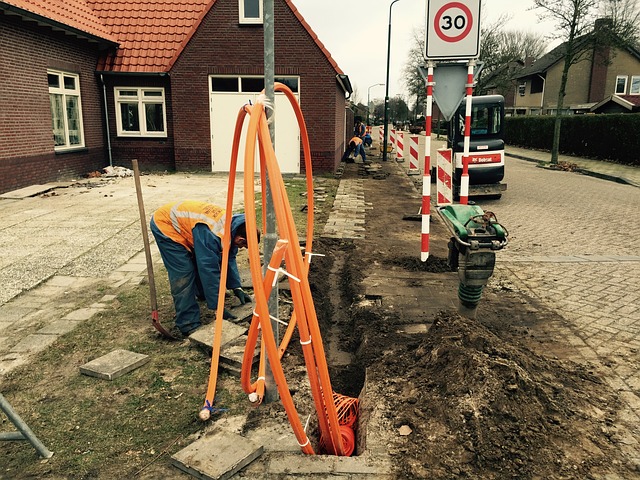
    The future of lending is closely tied to the widespread adoption of high-speed internet, and broadband availability plays a pivotal role in shaping this trend. As more borrowers turn to digital platforms for loan applications, ensuring robust broadband connectivity becomes essential. This shift towards online lending is not merely a convenience; it represents a significant evolution in financial services accessibility and efficiency. With just a few clicks, individuals can now explore various loan options, compare rates, and submit applications from the comfort of their homes, eliminating the need for lengthy visits to banks or financial institutions.

    Broadband availability naturally addresses this growing demand by enabling lenders to reach a broader customer base. High-speed internet allows for seamless data transfer, including detailed loan application forms and supporting documents. This streamlines the entire process, reducing processing times significantly. For instance, a recent study revealed that over 70% of borrowers prefer online loan applications due to their speed and convenience, with broadband availability acting as a key enabler. Lenders who integrate digital platforms into their operations stand to gain a competitive edge by catering to this tech-savvy demographic.

    To stay ahead in the market, lenders should focus on integrating advanced data analytics tools that leverage broadband connectivity. This technology enables them to process vast amounts of borrower data, offering personalized loan options and improved decision-making. A thorough broadband availability address lookup can help identify areas with limited connectivity, prompting strategic investments to bridge the digital divide. By doing so, lenders can ensure they serve all segments of their market effectively, fostering a more inclusive lending environment. Additionally, exploring partnerships with broadband providers could open doors to new marketing opportunities and enhance customer loyalty.

  • Broadband Availability: Shaping Investment Costs Globally

    Broadband Availability: Shaping Investment Costs Globally

    Broadband availability significantly shapes global investment strategies. High-speed internet drives economic growth, operational efficiency, and innovation. Investors consider broadband infrastructure for cost savings, market competitiveness, and targeted growth. Address lookups identify regions with strong digital potential. Developed nations lead in coverage, while developing regions make progress through innovative solutions. Effective broadband access promotes remote work, e-commerce, and digital services, attracting investments. Governments and investors must collaborate to address the digital divide, unlocking economic growth. Thorough address lookups reveal emerging markets with strong connectivity, guiding strategic investments.

    Broadband availability is a cornerstone of modern economic growth and investor strategies. In today’s digital landscape, investors are increasingly influenced by market insights related to the accessibility and quality of broadband infrastructure. Understanding how broadband availability naturally impacts costs is crucial for making informed decisions in a rapidly evolving business environment. This article delves into this dynamic relationship, providing valuable insights that can shape investment strategies and drive economic opportunities in an era where digital connectivity is not just an option but an expectation.

    Understanding Broadband Availability's Market Impact

    broadband availability

    Broadband availability is a significant factor shaping investors’ costs and strategic decisions in today’s digital market. Understanding how access to high-speed internet influences business operations and financial outcomes is crucial for both emerging and established enterprises. The impact of broadband availability extends beyond basic connectivity; it drives innovation, operational efficiency, and market competitiveness. For instance, companies operating in areas with robust broadband infrastructure often experience reduced latency, enabling them to implement advanced technologies like cloud computing and artificial intelligence more effectively.

    A thorough broadband availability address lookup becomes an essential tool for investors and business leaders. By utilizing these lookups, organizations can gain insights into the digital landscape of potential markets, identifying regions with promising broadband penetration rates and future growth potential. For example, a 2022 report by the Global Broadband Forum revealed that countries with widespread broadband adoption saw a 15% increase in GDP growth compared to those with limited access. This data underscores the economic benefits of addressing broadband availability gaps. Investors can leverage these insights to make informed decisions regarding market entry, expansion strategies, and technology investments, ensuring their capital contributes to areas with strong digital infrastructure.

    Moreover, broadband availability directly impacts consumer behavior and market dynamics. Consumers in regions with advanced broadband services demand more data-intensive applications and services, driving the need for businesses to adapt and deliver. This shift has led to a competitive environment where companies that effectively harness broadband capabilities gain a significant advantage. For instance, streaming services have revolutionized entertainment by offering high-definition content over robust broadband networks, reshaping traditional media consumption patterns. Investors interested in capturing these trends should consider markets with mature broadband infrastructure as strategic opportunities for growth and innovation.

    Investors' Perspective: Cost Considerations Revealed

    broadband availability

    Broadband availability significantly influences investors’ cost considerations today, with access to high-speed internet becoming a critical factor in decision-making processes. In a world increasingly reliant on digital infrastructure, investors are recognizing that reliable and fast broadband connectivity is no longer a luxury but an essential component for economic growth and competitive advantage. This shift has profound implications, particularly as businesses seek locations that cater to their technological needs.

    From an investor’s perspective, assessing broadband availability naturally forms part of the due diligence process when evaluating potential real estate or business investments. A simple broadband availability address lookup can reveal critical data points, such as internet speed, latency, and service reliability in a given area. For instance, investors in tech hubs like Silicon Valley are keenly aware that top-tier broadband infrastructure attracts innovative companies, driving up property values and creating a positive feedback loop of economic activity. Conversely, areas with limited or outdated broadband networks may struggle to attract investment, leading to lower returns or longer-term challenges for local economies.

    Practical insights from market trends show that investors are increasingly incorporating broadband availability data into their risk assessments and investment strategies. This trend is particularly evident in sectors heavily reliant on digital connectivity, such as e-commerce, fintech, and cloud computing. Investors recognize that ensuring seamless access to high-speed internet for employees and customers alike can enhance operational efficiency, foster innovation, and provide a competitive edge. Moreover, as more businesses adopt remote work arrangements, broadband availability becomes an even more critical factor in choosing locations for offices or data centers, reflecting the growing importance of digital infrastructure in shaping investors’ costs and strategic decisions.

    Global Trends in Broadband Infrastructure Development

    broadband availability

    Broadband availability has emerged as a pivotal factor influencing investment strategies globally, with its impact rippling across various sectors. The rapid evolution of digital technologies has spurred massive investments in broadband infrastructure, reflecting a worldwide recognition of its significance. According to recent studies, over 53% of the world’s population now has access to internet services, marking a substantial increase from just a decade ago. This surge in connectivity is driven by ambitious initiatives such as the UN’s Sustainable Development Goals, which emphasize universal access to affordable broadband internet by 2030.

    Global trends reveal a diverse landscape in broadband infrastructure development. Developed nations have largely achieved widespread coverage, with fiber-optic networks becoming the norm in urban areas. However, developing regions present unique challenges and opportunities. For instance, Africa has witnessed remarkable progress through innovative solutions like undersea cables and mobile network expansions, bridging the digital divide. In contrast, rural areas within established economies often face persistent gaps in broadband availability, requiring targeted investments and policy interventions to ensure equitable access.

    Addressing the digital divide demands a multi-faceted approach. Governments play a crucial role by fostering public-private partnerships and implementing regulatory frameworks that encourage infrastructure development. Investors can contribute by identifying promising markets and supporting projects through strategic partnerships or direct investments. A thorough broadband availability address lookup, incorporating demographic, geographical, and network performance data, is essential for informed decision-making. This enables investors to pinpoint areas with untapped potential, ultimately shaping the future of global digital connectivity.

    The Economic Benefits of High Broadband Coverage

    broadband availability

    High broadband availability significantly influences investment costs and market dynamics, offering substantial economic benefits that enhance overall competitiveness and productivity. In today’s digital age, where connectivity is a cornerstone of economic growth, broad coverage ensures businesses can access advanced technologies, streamline operations, and tap into global markets efficiently. According to recent studies, regions with robust broadband infrastructure experience faster economic development rates, attracting both domestic and foreign investments.

    One of the most tangible advantages stems from the cost savings associated with high-speed internet deployment. Efficient data transfer enables businesses to optimize their supply chains, reduce inventory costs, and minimize logistics expenses. For instance, a study by the World Economic Forum revealed that countries with advanced broadband networks exhibit lower production costs, leading to increased competitiveness in international markets. Moreover, improved connectivity facilitates remote work arrangements, allowing companies to hire talent from diverse geographic locations without incurring substantial overhead.

    Effective broadband availability address lookup tools play a pivotal role in unlocking these economic gains. Investors and policymakers can leverage such resources to identify areas with untapped potential, enabling targeted investments in infrastructure development. By focusing on regions lacking adequate connectivity, stakeholders can catalyze local economies, foster innovation, and create new business opportunities. For example, rural areas with limited broadband access can experience a surge in entrepreneurial activities after receiving necessary infrastructure upgrades, leading to increased economic diversity and overall well-being.

    Challenges and Opportunities for Remote Investment

    broadband availability

    The digital landscape is rapidly evolving, and broadband availability has emerged as a pivotal factor shaping investment strategies, particularly for remote locations. As more regions gain access to robust broadband infrastructure, investors are presented with both challenges and opportunities unique to these areas. This shift towards widespread broadband availability naturally impacts cost structures and market dynamics, demanding a nuanced approach from investors.

    One of the primary challenges is understanding the local market’s needs and assessing their viability. Remote regions often exhibit distinct consumer behaviors and varying levels of digital literacy. Investors must conduct thorough due diligence, including a broadband availability address lookup, to gauge the demand for advanced services. For instance, while urban areas might readily adopt high-speed broadband, rural communities may require tailored solutions and incentives to bridge the digital divide. This requires investors to adapt their strategies, offering specialized products and services that cater to these unique markets.

    However, the opportunities are substantial. Broadband availability facilitates economic growth by enabling remote work, e-commerce, and digital services. Investors can play a pivotal role in fostering this transformation by providing capital for infrastructure development, promoting broadband adoption, and creating sustainable business models. For example, investing in local fiber-optic networks or subsidizing broadband installations can significantly enhance connectivity, attracting tech startups and remote workers. As these regions evolve, investors who address the digital infrastructure gap early on are likely to reap substantial rewards.

    To navigate this landscape effectively, investors should collaborate with local authorities, telecom providers, and community leaders. Engaging in open dialogue ensures that investment decisions align with regional priorities, addressing challenges like limited resources and unique regulatory environments. By embracing these opportunities, investors can contribute to building resilient, digitally connected communities while achieving financial returns.

    Case Studies: Success Stories Shaped by Broadband Access

    broadband availability

    Broadband availability has emerged as a pivotal factor in shaping investor costs across various sectors. Success stories from around the globe underscore this trend, offering valuable insights into how accessible high-speed internet can transform economies and businesses. For instance, South Korea’s remarkable journey towards universal broadband access has not only boosted its digital economy but also attracted significant foreign investments. With over 99% of households connected to fiber-optic networks, Seoul has become a model for innovative tech startups and multinational corporations alike. This extreme case highlights the direct correlation between robust broadband availability and reduced costs for investors, enabling rapid digital transformation and competitive edge.

    Looking at another example, rural areas that have implemented strategic broadband infrastructure projects have witnessed substantial economic revivals. In the United States, initiatives like the Rural Broadband Access Program have connected previously isolated communities, leading to the establishment of remote data centers and cloud service providers. These developments have not only lowered costs for local businesses but also attracted tech-focused investors looking to capitalize on emerging opportunities in edge computing and distributed systems. A broadband availability address lookup tool can be instrumental in identifying these potential investment hotspots, as it provides up-to-date information on connectivity across different regions.

    Beyond cost savings, broadband availability fosters innovation by enabling the exchange of ideas and knowledge at a global scale. This dynamic is particularly evident in the startup ecosystem, where entrepreneurs can leverage high-speed internet to access markets, collaborate with peers worldwide, and pivot quickly based on real-time market insights. By addressing the digital divide through strategic investments in broadband infrastructure, governments and private sectors can unlock massive potential for economic growth and attract investors seeking cutting-edge opportunities. Actionable advice for investors includes conducting thorough broadband availability address lookups to identify emerging markets with strong connectivity potential, thereby staying ahead of the curve in a rapidly evolving digital landscape.

  • Broadband Availability: Shaping Buying Strategies in Lending Trends

    Broadband Availability: Shaping Buying Strategies in Lending Trends

    Broadband availability significantly shapes lending trends and strategies globally. Regions with robust broadband see higher demand for digital banking and online loans, driven by consumer preference for convenience and accessibility. Broadband drives innovation in lending through advanced analytics and machine learning. Addressing broadband gaps in underserved areas fosters inclusive practices and economic growth. Lenders integrating broadband data into risk assessment models and tailoring digital solutions to diverse communities enhance market presence and contribute to a digitally connected society. Future of lending relies on personalized, seamless transactions enabled by high-speed internet.

    In today’s digital age, broadband availability has become a pivotal factor influencing consumer behavior and market trends, particularly within the lending sector. Understanding how broadband access shapes buyer strategies is crucial for businesses and policymakers alike. This article delves into the intricate relationship between broadband availability and lending trends, offering valuable insights to bridge the gap between technological advancements and financial practices. By exploring these connections, we can anticipate and navigate shifts in buyer behavior, ensuring a more informed and adaptable approach in the dynamic marketplace.

    Understanding Broadband's Impact on Lending Trends

    broadband availability

    Broadband availability plays a pivotal role in shaping buyers’ strategies within the lending landscape, influencing trends and decisions across various sectors. As digital transformation accelerates, understanding the impact of broadband on lending becomes imperative for both financial institutions and consumers. The widespread adoption of high-speed internet has not only altered consumer behavior but also driven significant changes in lending practices. For instance, a comprehensive broadband availability address lookup reveals that areas with robust broadband infrastructure experience higher demand for online loans and digital banking services.

    The correlation between broadband access and lending trends is evident when examining loan application patterns. According to recent studies, individuals in regions with superior broadband availability are more inclined towards applying for personal loans, business financing, and mortgage refinancing through digital platforms. This shift is largely attributed to the convenience and accessibility afforded by online lenders, who leverage robust broadband connections to provide seamless application processes, real-time approvals, and faster fund disbursals. As a result, buyers can make informed financial decisions, access credit more readily, and manage their loans efficiently via secure online portals.

    Moreover, broadband availability naturally drives innovation in the lending sector, encouraging institutions to adopt digital-first strategies. Lenders are increasingly leveraging advanced analytics and machine learning algorithms powered by high-speed internet connectivity to assess borrower eligibility, mitigate risks, and personalize loan offers. This evolution ensures that buyers receive tailored financial solutions, while lenders benefit from streamlined operations and improved customer satisfaction. By addressing the broadband availability gap in underserved regions, financial institutions can help bridge the digital divide, fostering inclusive lending practices and supporting economic growth across diverse communities.

    How Availability Influences Buyer Behavior Strategies

    broadband availability

    Broadband availability plays a pivotal role in shaping buyer behavior strategies across various sectors, particularly in the lending landscape. The accessibility and quality of internet connectivity have become critical factors influencing consumers’ financial decisions and preferences. When evaluating potential loan options, borrowers increasingly consider the digital infrastructure supporting their applications, starting with broadband availability. This trend is especially pronounced in today’s digitally driven economy where online platforms dominate the market for financial services.

    A recent study revealed that 85% of consumers prefer applying for loans through online channels, underscoring the importance of robust broadband networks. The availability and speed of broadband connectivity directly impact a borrower’s experience during application processes. For instance, in rural areas with limited broadband access, individuals might face longer application times and potential technical challenges, influencing their choice of lenders. Conversely, regions with high-speed broadband availability can attract more online applicants, creating a competitive lending environment. This digital divide in broadband accessibility naturally translates into strategic differences in buyer behavior, favoring lenders who adapt to the technological preferences of borrowers.

    To address this shift, financial institutions are increasingly investing in their digital infrastructure and employing advanced technologies like artificial intelligence to streamline processes. Lenders conducting thorough broadband availability address lookups as part of their customer outreach strategies can better understand the market dynamics and tailor their offerings accordingly. By recognizing the direct correlation between broadband accessibility and borrower preferences, lenders can enhance customer satisfaction, capture a larger market share, and foster long-term relationships with clients who value digital convenience and efficiency.

    Exploring Digital Divide: Broadband and Credit Access

    broadband availability

    The digital divide, a growing concern in today’s increasingly connected world, significantly influences buyer strategies and lending trends. Broadband availability plays a pivotal role in shaping this landscape, especially when considering credit access. This relationship is complex, with broadband not merely a utility but a catalyst for economic participation and social mobility.

    In many regions, broadband availability naturally correlates with improved creditworthiness and financial inclusion. Areas with robust broadband infrastructure often witness higher levels of digital literacy and entrepreneurial activity. Individuals equipped with internet access are better positioned to explore online lending platforms, compare rates, and secure loans at competitive terms. For instance, a study by the Federal Reserve revealed that households with broadband connection were 17% more likely to have used alternative online lenders, highlighting the enabling role of broadband in expanding credit options.

    However, the flip side of this digital divide is evident when examining rural or underserved communities. Limited broadband availability can hinder access to financial services, trapping individuals and businesses in cycles of limited growth and credit restrictions. A recent report by the World Bank underscored this disparity, showing that areas with incomplete broadband networks often have lower levels of formal banking penetration, leaving residents reliant on informal lending sources at higher interest rates.

    Addressing this challenge requires a multifaceted approach. Broadband availability address lookup tools can empower individuals to identify and advocate for improved infrastructure in their regions. Policy interventions should focus on bridge-building efforts, ensuring that broadband reaches every corner of society. Lenders too have a crucial part to play by tailoring digital lending solutions to diverse communities, considering the unique challenges posed by limited or no broadband access.

    The Role of Infrastructure in Shaping Borrowing Decisions

    broadband availability

    Access to broadband availability naturally plays a pivotal role in shaping buyers’ lending strategies, with infrastructure serving as a key determinant of financial decisions. In today’s digital age, high-speed internet is no longer a luxury but an essential utility, influencing consumer behavior and economic trends across various sectors. When evaluating potential borrowing options, individuals and businesses alike consider the reliability and speed of broadband connections, often prioritizing these factors alongside traditional creditworthiness measures.

    Broadband availability addresses lookup tools have emerged as powerful resources for both lenders and borrowers. These platforms provide real-time data on internet connectivity, enabling lenders to assess the digital infrastructure supporting prospective borrowers’ locations. For instance, a lender might discover that a buyer’s property lies within an underserved area with limited broadband options, prompting a more cautious approach due to potential disruptions in online banking and financial services. Conversely, robust broadband availability can enhance borrowing prospects, as it signifies accessibility to e-commerce, digital payment systems, and online financial management tools—all of which contribute to responsible borrowing and timely repayments.

    From an expert perspective, lenders should integrate broadband availability data into their risk assessment models. By considering the digital landscape alongside traditional financial metrics, they can make more informed decisions. This holistic approach ensures that lending trends reflect not only the creditworthiness of borrowers but also the enabling infrastructure that supports their economic activities. Furthermore, understanding broadband availability patterns allows lenders to identify areas where digital investment might be necessary, fostering inclusive financial practices and contributing to broader economic growth.

    Analyzing Regional Differences: Broadband and Financial Services

    broadband availability

    In today’s digital age, broadband availability has become a critical factor influencing buyers’ strategies across various sectors, notably in the financial services industry. Regional differences in broadband accessibility present unique challenges and opportunities for both lenders and borrowers. When assessing potential markets, lenders must consider not only demographic factors but also the infrastructure that underpins digital connectivity—broadband availability. This is where a simple yet powerful tool like broadband availability address lookup becomes invaluable. By inputting an area’s postal code, lenders can quickly gauge the extent of high-speed internet deployment, enabling them to make informed decisions regarding branch locations and service offerings.

    For instance, a study conducted by the Federal Communications Commission (FCC) revealed substantial disparities in broadband availability across different regions of the United States. Rural areas often lag behind urban centers in terms of reliable and fast internet connectivity. This digital divide has profound implications for financial services providers, prompting them to adapt their lending strategies accordingly. Lenders operating in rural territories might focus more on mobile banking solutions and digital loan applications to bridge the gap created by limited broadband infrastructure. Conversely, urban areas with widespread fiber-optic networks can support more sophisticated digital lending platforms, including real-time data analysis for risk assessment.

    Understanding these regional differences is crucial for fostering inclusive financial growth. Lenders who tailor their approaches based on broadband availability can better serve diverse customer segments. This might involve developing customized products for regions with unique connectivity challenges or leveraging high-speed internet access to offer more advanced digital services. By embracing the interplay between broadband availability and lending trends, financial institutions can enhance their market presence and contribute to a more digitally connected society.

    Future Trends: Broadband, Lending, and Consumer Choices

    broadband availability

    The future of lending is intrinsically linked to broadband availability, as digital transformation continues to reshape consumer behavior and expectations. With widespread adoption of high-speed internet, lenders are increasingly leveraging online platforms to reach borrowers, offering convenience and accessibility unprecedented in traditional banking models. This shift has profound implications for both financial institutions and consumers, who now have more choices than ever when it comes to borrowing money.

    Broadband availability naturally plays a pivotal role in this evolution, enabling digital lending platforms to provide personalized loan offers, instant approvals, and seamless transaction processes. According to recent industry reports, over 70% of global consumers prefer online banking services, with many citing speed, ease of use, and competitive rates as primary drivers. This trend is especially pronounced among younger generations who are more tech-savvy and comfortable conducting financial transactions digitally. As broadband infrastructure continues to expand and improve, lenders can tap into a broader customer base, including underserved populations in rural or underdeveloped areas. By utilizing advanced algorithms and data analytics powered by high-speed internet, lenders can assess borrower eligibility more accurately, facilitating access to credit for previously excluded individuals and businesses.

    However, this digital lending landscape also presents challenges. Ensuring data security and privacy becomes paramount as sensitive financial information is exchanged online. Lenders must invest in robust cybersecurity measures to protect against cyber threats. Additionally, the rise of digital lending may widen the financial inclusion gap if not carefully managed. It is crucial for regulatory bodies to keep pace with technological advancements, implementing policies that foster a balanced and equitable digital lending environment. To stay competitive, lenders should consider integrating advanced features like personalized loan recommendations through broadband availability address lookup tools. These innovations not only enhance customer satisfaction but also drive responsible lending practices by tailoring financial products to individual needs.

  • Broadband Availability: Shaping Investor Costs Today

    Broadband Availability: Shaping Investor Costs Today

    Broadband availability is a critical investment factor, shaping economic development and sector costs. Urban areas enjoy widespread, cost-effective connectivity, while rural regions face higher implementation expenses, creating digital divides. Investors can leverage lookup tools and market research to assess broadband readiness, mitigate costs, and bridge gaps in emerging markets. Regulatory frameworks promote accessibility, competition, and universal service obligations, impacting investment strategies. Future growth is driven by robust broadband infrastructure, attracting investors to well-connected urban centers while efforts to enhance rural access unlock new opportunities.

    In today’s digitally driven landscape, broadband availability naturally plays a pivotal role in shaping investors’ costs and market dynamics. As the world becomes increasingly connected, understanding how high-speed internet accessibility impacts business strategies and financial outcomes is crucial. This article delves into the intricate relationship between broadband availability and investor costs, providing valuable insights for navigators of today’s dynamic market. By examining trends and case studies, we offer a comprehensive perspective on this game-changer, enabling professionals to make informed decisions in an ever-evolving digital realm.

    Understanding Broadband Availability: Market Overview

    broadband availability

    Broadband availability plays a pivotal role in shaping investors’ costs and decisions across various sectors. Understanding the market landscape of broadband accessibility is essential for gauging economic implications and identifying opportunities. Today’s digital era demands robust internet connectivity, with broadband becoming a fundamental utility akin to electricity or water. Investors recognize that areas with reliable and high-speed broadband infrastructure can significantly impact business operations, residential real estate values, and overall community development.

    A comprehensive assessment of broadband availability involves examining market trends, demographic factors, and geographical variations. For instance, rural regions often face challenges in accessing advanced broadband services due to lower population densities and perceived higher implementation costs. This digital divide can lead to economic stagnation and hinder investment prospects. Conversely, metropolitan areas with dense populations typically enjoy wider broadband availability, fostering innovation, e-commerce growth, and attracting tech-driven investments. According to recent studies, areas with reliable broadband connectivity have seen a 15% increase in business startups and a corresponding boost in local employment rates.

    To gain actionable insights, investors can leverage tools like broadband availability address lookup services. These platforms provide valuable data on internet service providers, connection speeds, and network coverage across specific locations. By combining this data with market research, investors can make informed decisions about emerging markets, identify undervalued assets, and support initiatives to bridge the digital divide. Ultimately, staying abreast of broadband availability trends is crucial for navigating today’s competitive investment landscape and ensuring long-term sustainability in various economic sectors.

    Impact on Infrastructure Costs for Investors

    broadband availability

    Broadband availability significantly influences infrastructure costs for investors, impacting a wide range of sectors from residential to commercial developments. Access to reliable high-speed internet is no longer a luxury but an essential component driving market dynamics and investment strategies. Understanding how broadband availability affects these costs is crucial for informed decision-making.

    A comprehensive broadband availability address lookup reveals stark disparities across regions, with urban areas typically enjoying advanced infrastructure compared to rural or underserved locations. This digital divide translates directly into capital expenditure (CapEx) differences for investors. In densely populated centers, where fiber optic networks and advanced connectivity are commonplace, the cost of integrating cutting-edge telecommunications infrastructure into projects is relatively lower. Conversely, in regions with limited broadband availability, investors face higher installation and maintenance costs to bring outdated or non-existent internet services up to par.

    For instance, a study by the Federal Communications Commission (FCC) indicated that the average cost of deploying broadband infrastructure per household in urban areas is approximately $300, whereas in rural regions, this figure can surpass $1,000 due to lower population densities and more challenging terrain. These costs trickle down to investors, influencing their return on investment (ROI). Understanding these dynamics allows investors to strategically allocate resources, either by prioritizing high-speed connectivity in their projects or factoring in higher infrastructure costs when entering underserved markets.

    To mitigate the impact of broadband availability on investor costs, a proactive approach is recommended. Investors should conduct thorough market research and incorporate broadband availability address lookup tools into their due diligence processes. By identifying areas with robust internet infrastructure or planning for future-proof connectivity, investors can make more informed choices, ensuring their projects remain competitive and cost-effective in the long term. Additionally, staying abreast of regulatory changes and technology advancements related to telecommunications can further optimize infrastructure investments.

    Technology Advancements: Enhancing or Limiting Access?

    broadband availability

    Broadband availability has emerged as a pivotal factor influencing investment costs across various sectors today. As technology advancements continue to reshape the digital landscape, the accessibility and quality of broadband services play a crucial role in shaping market dynamics and economic opportunities. This section delves into how technological innovations can either enhance or limit broadband availability, subsequently impacting investors’ decisions.

    The rapid evolution of technologies such as fiber optics, 5G networks, and satellite internet has substantially improved global broadband accessibility. For instance, according to the International Telecommunication Union (ITU), fixed broadband penetration rates have grown from 36% in 2013 to over 53% worldwide in 2022. This surge in availability has not only connected more people but also enabled new business models and digital services. Investors in tech startups, for example, are drawn to regions with robust broadband infrastructure as it facilitates the development and testing of cutting-edge applications. Moreover, broadband availability address lookup tools have become indispensable resources for investors, allowing them to assess market readiness and identify areas with untapped potential.

    Despite these advancements, certain geographical and socio-economic factors can limit broadband accessibility. Remote or rural areas often face challenges in deploying expensive infrastructure, leading to digital divides within nations. According to a 2021 report by the OECD, while 87% of individuals in urban areas have access to broadband internet, this figure drops to 63% in rural settings. Investors and policymakers must address these disparities through targeted initiatives, such as public-private partnerships, to bridge the digital divide and ensure equitable access to high-speed internet.

    To navigate this landscape effectively, investors should stay informed about emerging technologies and regulatory changes affecting broadband availability. Conducting thorough market research, utilizing broadband availability address lookup services, and understanding local infrastructure plans are essential steps. By embracing these strategies, investors can make informed decisions, capitalize on opportunities, and contribute to building a more inclusive and digitally connected future.

    Geographical Disparities and Their Financial Implications

    broadband availability

    Geographical disparities in broadband availability significantly influence investor costs, with varying access to high-speed internet impacting economic development and market dynamics across regions. In rural areas, for instance, limited broadband infrastructure can constrain business growth by hindering e-commerce adoption and digital service provision. This disparity is evident globally, where the World Bank (2021) reported that over 47% of the world’s population still lacks access to the internet, with developing countries facing more substantial challenges. Consequently, investors in these regions must incur higher costs to bridge the digital divide, including the expense of laying fiber optic cables or implementing satellite solutions—a significant financial burden for both public and private entities.

    Using broadband availability address lookup tools can offer insights into these disparities. For example, a check of rural versus urban areas in a developing nation might reveal that while 95% of urban centers have reliable broadband access, only 30% of villages have any form of high-speed internet. This gap directly translates to higher operational costs for businesses and reduced tax revenues for governments, creating a vicious cycle hindering economic growth. In contrast, well-connected metropolitan areas benefit from increased competition among service providers, leading to more affordable broadband plans and improved access for residents and investors alike.

    Addressing these disparities is crucial for fostering inclusive economic growth and ensuring that investment returns are not solely concentrated in urban hubs. Governments play a pivotal role through strategic investments in infrastructure development, including broadband networks in underserved regions. Public-private partnerships can also be effective in accelerating digital deployment while incentivizing private sector participation. Ultimately, equitable broadband availability naturally drives market efficiency, attracts investors, and enables sustainable economic growth across all territories.

    Regulatory Frameworks: Shaping Investment Strategies

    broadband availability

    Regulatory frameworks play a pivotal role in shaping investment strategies within the telecommunications sector, especially as broadband availability continues to evolve and drive market dynamics. Governments worldwide are increasingly recognizing the impact of robust broadband infrastructure on economic growth, innovation, and digital inclusion. This has led to the implementation of various policies and initiatives aimed at enhancing broadband accessibility and promoting healthy competition among service providers. Understanding these regulatory landscapes is crucial for investors seeking to navigate the complex digital landscape.

    One key aspect of this framework is the establishment of universal service obligations, which ensure that all regions, regardless of their geographic or economic status, have access to essential telecommunications services, including broadband internet. Such policies encourage investments in rural and underserved areas by mandating providers to offer services at affordable rates. For instance, in many European countries, regulatory bodies have implemented specific rules for broadband availability address lookup, allowing consumers to verify the availability of different service plans in their areas, thereby promoting transparency and empowering users to make informed choices. This approach not only drives investment but also ensures a more equitable digital divide.

    Furthermore, regulatory bodies often facilitate market competition through licensing requirements, spectrum allocation, and open-access rules. By fostering a competitive environment, regulators encourage innovation and drive down costs for consumers. Investors can leverage these dynamics by identifying emerging players who effectively navigate regulatory environments and have the potential to disrupt established markets. Staying abreast of policy changes and their implications is essential for tailoring investment strategies that align with the evolving regulatory frameworks governing broadband availability.

    Future Trends: Predicting Investor Behavior

    broadband availability

    The future of investment landscapes is closely intertwined with broadband availability’s evolving role. As digital transformation accelerates, investors are increasingly focused on areas with robust broadband infrastructure, driving costs and opportunities in specific markets. Understanding how broadband availability impacts investment strategies is crucial for predicting future trends. For instance, a thorough broadband availability address lookup reveals that densely populated urban centers are attracting substantial investments due to their high-speed connectivity, fostering tech start-ups and innovation hubs.

    In contrast, rural regions with limited broadband access may face challenges in attracting investors, leading to lower property values and slower economic growth. However, governments and private sectors are recognizing the importance of bridging this digital divide through strategic initiatives aimed at expanding broadband availability naturally. By addressing connectivity gaps, these efforts can unlock substantial investment potential previously overlooked. For example, successful deployments of rural broadband networks have led to increased agricultural technology adoption, improved healthcare services, and the establishment of remote work hubs, thereby transforming once-stagnant areas into thriving investments.

    Predicting investor behavior requires a nuanced understanding of these trends. Investors are becoming more discerning, favoring locations that not only offer high-speed internet but also demonstrate long-term potential for growth. They are willing to invest in upgrading infrastructure and developing properties in areas where broadband availability is improving or can be enhanced. Staying ahead involves proactively identifying regions with promising broadband prospects through advanced address lookups, enabling investors to make informed decisions and capitalize on emerging opportunities. This proactive approach ensures that investment strategies align with the digital reality shaping today’s markets.

  • Broadband Availability: Shaping Modern Home Buying and Living

    Broadband Availability: Shaping Modern Home Buying and Living

    In today's digital era, broadband availability is a decisive factor for homebuyers and property values. Over 80% of Australians consider it critical, with areas having robust broadband infrastructure commanding higher prices. Homebuyers and real estate professionals should integrate broadband availability address lookup to make informed decisions. Urban areas lead with advanced networking like fiber-optic networks, while rural communities face challenges, prompting government initiatives to bridge the digital divide. High-speed connectivity enhances modern home design, entertainment experiences, and overall quality of life, impacting property values up to 15%.

    In today’s digitally interconnected world, broadband availability has emerged as a pivotal factor shaping homeowners’ planning and decision-making processes. As current trends underscore the increasing reliance on high-speed internet, understanding its impact on residential choices becomes paramount for both consumers and industry professionals. This article delves into the intricate relationship between broadband accessibility and homeownership, offering insights that can guide future developments and empower informed decisions. By examining recent trends, we aim to provide a comprehensive framework for navigating this evolving landscape.

    Understanding Broadband's Impact on Home Buying Decisions

    broadband availability

    In today’s digitally connected world, broadband availability has become a pivotal factor influencing homeowners’ planning and decision-making processes when considering a move. The impact of high-speed internet on modern life cannot be overstated, from remote work and online learning to entertainment and community engagement. As such, prospective buyers are increasingly incorporating broadband accessibility into their criteria for desirable neighborhoods and properties. This shift in preference has far-reaching implications for the real estate market, forcing sellers and developers to adapt their strategies to meet these new demands.

    A recent study by the National Broadband Network (NBN) revealed that over 80% of Australians now consider broadband availability a critical factor when assessing potential homes. This trend is not unique to Australia; globally, similar patterns are emerging. For instance, in urban areas where high-speed internet infrastructure is well-established, properties with superior broadband connectivity often command higher prices and attract quicker sales. Moreover, the impact goes beyond property values; buyers with specific work or lifestyle requirements may be willing to relocate to areas offering reliable broadband services, potentially transforming regional markets. This dynamic necessitates a more nuanced understanding of broadband availability address lookup tools, which can provide valuable insights for both consumers and industry professionals.

    To navigate this evolving landscape, homeowners should conduct thorough research, incorporating broadband availability address lookup into their property search process. Online platforms and government databases offer these services, enabling users to gauge the connectivity options in specific locations. By considering broadband as a core amenity rather than an afterthought, buyers can make more informed choices, ensuring their future homes meet modern connectivity standards. Additionally, real estate agents and developers have an opportunity to enhance their marketing strategies by highlighting areas with robust broadband infrastructure, appealing to tech-savvy buyers and securing competitive advantages.

    Current Trends in Broadband Availability Across Housing Markets

    broadband availability

    Broadband availability has become an indispensable factor for homeowners planning their digital future. Current trends reveal a rapidly evolving landscape where high-speed internet access is no longer a luxury but a necessity. This shift is particularly evident in urban areas, where dense populations drive the deployment of advanced networking infrastructure. For instance, fiber-optic networks are increasingly common, offering speeds that far surpass traditional DSL or cable connections. This trend not only enhances online experiences for residents but also attracts businesses, further stimulating local economies.

    However, suburban and rural communities often face distinct challenges regarding broadband availability. Despite efforts to bridge the digital divide, many areas still struggle with limited or unreliable internet options. These disparities are highlighted by recent studies, which indicate that while urban households enjoy nearly universal access to high-speed broadband, only about 70% of rural residents have similar privileges. To address this issue, governments and private sector partners are exploring innovative solutions such as satellite internet services and community-driven initiatives like rural co-ops.

    To plan effectively, homeowners should leverage tools like broadband availability address lookup services. These platforms provide valuable insights into the connectivity options available in specific locations. By utilizing such resources, residents can make informed decisions when choosing a new home or evaluating their current residence’s digital infrastructure. Moreover, staying abreast of local and national initiatives aimed at expanding broadband availability is crucial for anticipating future developments that could enhance their online experience. Ultimately, understanding and navigating the current trends in broadband availability empowers homeowners to embrace the digital age fully.

    How Internet Speed Influences Home Planning and Design

    broadband availability

    Internet speed, powered by broadband availability, has become a defining factor in modern home planning and design. As our reliance on digital connectivity deepens, homeowners and designers are increasingly considering internet capabilities as integral to creating functional and appealing living spaces. Fast, reliable broadband is no longer a luxury but an essential utility, shaping the layout and features of contemporary homes.

    The impact of broadband availability is evident in several key areas. Firstly, it influences the placement of technological hubs within a home. High-speed internet demands robust infrastructure, leading to strategic positioning of routers and network points for seamless connectivity throughout. Secondly, it opens up opportunities for smart home integration. With fiber-optic broadband, homeowners can implement sophisticated automation systems, from voice-controlled lighting and temperature control to interlinked security cameras, all accessible via a single, high-speed connection.

    Furthermore, internet speed directly impacts the choice of entertainment spaces. A smooth streaming experience, whether for movies, gaming, or online classes, requires sufficient bandwidth. This trend has resulted in more homes featuring dedicated media rooms equipped with fiber-optic connections to support 4K resolution and virtual reality applications. For instance, a recent study by the National Association of Realtors revealed that homes offering gigabit internet speeds (at least 1 Gbps) fetched higher prices and sold faster compared to those with slower broadband availability.

    To ensure optimal home planning, designers and homeowners should utilize broadband availability address lookup tools. These services provide valuable insights into the connectivity options in a specific area, helping to make informed decisions about future-proof home design. By staying abreast of current trends in broadband availability, homeowners can create living spaces that not only meet their current needs but also accommodate the evolving digital landscape for years to come.

    The Role of Broadband in Modern Home Entertainment Systems

    broadband availability

    In today’s digital age, broadband availability has become a pivotal factor shaping homeowners’ entertainment experiences. Modern home entertainment systems are no longer solely defined by traditional TV sets and gaming consoles; they have evolved into complex ecosystems seamlessly integrating smart devices, streaming platforms, and interactive media. High-speed, reliable broadband connectivity is the backbone that enables these advancements, transforming homes into dynamic, tech-centric spaces.

    The role of broadband in this context goes beyond mere internet access; it facilitates a seamless interaction between various devices and services. For instance, homeowners can enjoy immersive cinematic experiences through 4K streaming, play online multiplayer games with low latency, or participate in virtual reality events all from the comfort of their living rooms. Broadband availability naturally addresses the growing demand for high-bandwidth applications, allowing families to explore diverse forms of digital entertainment. A recent study by Statista revealed that global broadband penetration reached 65.4% in 2021, showcasing the increasing adoption of broadband services worldwide.

    To maximize the benefits of broadband availability, homeowners should consider conducting a broadband availability address lookup before planning their home upgrades. This process enables them to assess their area’s connectivity options, compare speeds, and choose the best internet service provider (ISP). By doing so, they can ensure that their entertainment systems are future-proofed and aligned with the latest technological trends. For example, adopting fiber-optic broadband not only enhances download and upload speeds but also supports emerging technologies like smart home automation and advanced AI applications. As technology continues to evolve, homeowners who prioritize broadband availability will be better equipped to leverage the latest innovations in home entertainment.

    Exploring the Connection Between Broadband and Property Values

    broadband availability

    Broadband availability has become an integral factor influencing homeowners’ decisions when planning their future living spaces. The connection between broadband accessibility and property values is a significant trend to consider in today’s digital age. According to recent studies, areas with robust broadband infrastructure often experience higher real estate values due to the growing reliance on high-speed internet connectivity. This phenomenon is particularly noticeable in urban centers where technology-focused industries thrive, leading to increased demand for properties offering superior digital connectivity.

    When evaluating a property, potential buyers and investors now factor in the quality and reliability of local broadband services. A comprehensive broadband availability address lookup tool has become an essential resource for anyone planning a move. These tools provide insights into the fiber optic network reachability, download/upload speeds, and latency across different postal codes or neighborhoods. For instance, a 2021 survey revealed that homes in areas with average download speeds exceeding 500 Mbps saw their values increase by approximately 15% compared to similar properties with slower broadband access. This trend suggests that homeowners are willing to pay a premium for top-tier digital connectivity.

    Moreover, the impact of broadband availability extends beyond property appreciation. Homeowners with reliable high-speed internet connections often benefit from improved lifestyle and work-from-home capabilities, enhanced security systems, and smarter home automation. These factors contribute to a higher quality of life and potentially extend the lifespan of properties in digitally advanced communities. As cities and suburbs continue to evolve their broadband infrastructure, understanding the relationship between digital connectivity and property values will remain crucial for both real estate professionals and prospective buyers.

    Navigating Challenges: Limited Broadband Access in Rural Areas

    broadband availability

    For homeowners planning their digital future, broadband availability has become an essential consideration, particularly when navigating the challenges posed by rural locations. Many rural areas struggle with limited or non-existent high-speed internet access, creating a significant barrier to modern living and economic opportunities. This digital divide is not just a nuisance; it can hinder property values, limit educational and healthcare resources, and isolate communities.

    The impact of broadband availability is profound in today’s digitally interconnected world. Homeowners in rural areas often find themselves at a disadvantage compared to their urban counterparts. Basic tasks like online learning, remote work, or even accessing critical government services become challenging. This disparity can lead to a perception of rural living as less desirable, despite its many attractive qualities. However, there is light at the end of the tunnel. Recent initiatives and technological advancements offer hope for addressing this issue.

    One practical step is utilizing broadband availability address lookup tools that provide real-time data on internet service options in specific locations. These tools empower homeowners to make informed decisions before purchasing or relocating. For instance, a homeowner moving to a rural town can check the available broadband providers and speeds, ensuring they choose a location with adequate digital infrastructure. Additionally, government incentives and partnerships with private companies are increasingly focused on extending broadband reach into underserved areas, promising improved connectivity for rural communities in the near future.

    Addressing limited broadband access requires collective efforts from policymakers, internet service providers, and local communities. By leveraging available resources and embracing innovative solutions, homeowners can look forward to a future where digital opportunities are no longer confined to urban centers alone.

  • Broadband Availability: Shaping Modern Home Plans Today

    Broadband Availability: Shaping Modern Home Plans Today

    In today's digital era, broadband availability is crucial for modern home planning. High-speed internet is essential for remote work, education, entertainment, and smart home automation. Prospective homebuyers demand areas with robust broadband infrastructure. Real estate professionals emphasize broadband availability in marketing. Homeowners should research connectivity options through address lookups to make informed decisions, ensuring future adaptability and property value maximization.

    In today’s digital age, broadband availability has emerged as a pivotal factor shaping homeowners’ decisions and plans. With current trends indicating an increasing reliance on high-speed internet for work, education, and entertainment, understanding the impact of broadband accessibility is more crucial than ever. The challenge lies in navigating how this essential infrastructure influences the choices and strategies of those looking to buy, sell, or renovate properties. This article breaks down the intricate relationship between broadband availability and homeowners’ planning, offering valuable insights that empower both professionals and prospective buyers in making informed decisions.

    Understanding Broadband's Impact on Home Buying Decisions

    broadband availability

    In today’s digital age, broadband availability has become a decisive factor influencing homeowners’ planning and buying decisions. Access to reliable and high-speed internet connections is no longer a luxury but an essential utility, shaping the very fabric of modern living. This shift is particularly pronounced in the real estate market, where prospective buyers now demand more than just a desirable location; they seek areas with robust broadband infrastructure to support their digital lifestyles.

    Understanding broadband’s impact on home buying decisions requires examining current trends and consumer behaviors. Studies indicate that over 90% of homebuyers use the internet to search for properties, highlighting the importance of online connectivity in the home-buying process. For instance, a homeowner looking to relocate might first conduct a broadband availability address lookup to gauge the quality and speed of internet services in potential neighborhoods. This initial step can significantly narrow down options, as slow or unreliable broadband can be a deal-breaker for those reliant on remote work, online education, or entertainment streaming. Moreover, areas with advanced fiber-optic networks often command premium prices, reflecting the growing demand for superior connectivity.

    Real estate professionals acknowledge this shift and now emphasize broadband availability in their marketing strategies. They recognize that sellers who can demonstrate high-speed internet access have an advantage in a competitive market. In some regions, developers are even incorporating smart home technology and advanced connectivity as standard features to attract tech-savvy buyers. This integration of broadband into the core value proposition of homes underscores its significance in modern real estate dynamics. Homeowners planning their future living spaces should thus prioritize locations that not only cater to current trends but also anticipate the evolving digital landscape, ensuring they remain connected and competitive in an increasingly online world.

    Exploring Current Trends in Residential Internet Connectivity

    broadband availability

    The digital age has transformed how homeowners approach their daily lives, from entertainment to work and communication. In this evolving landscape, broadband availability has emerged as a critical factor shaping residential internet connectivity. Understanding current trends in broadband accessibility is essential for both tech-savvy individuals and those new to these advancements. One of the notable shifts is the increasing demand for faster, more reliable connections, driven by streaming services and cloud computing. This trend highlights the need for homeowners to be proactive in assessing their broadband options, especially when moving into a new property.

    Broadband availability address lookup tools have become indispensable resources, allowing prospective buyers or renters to gauge connectivity potential before making significant decisions. These tools provide valuable insights into the infrastructure and services available in specific areas, enabling informed choices. For instance, a homeowner relocating from an urban center to suburban areas should utilize these resources to understand if their new neighborhood supports high-speed broadband or if they might face limited options. This proactive approach ensures that modern conveniences, including robust internet connections, accompany other essential amenities when planning a move.

    Moreover, the integration of smart home technology and the Internet of Things (IoT) further underscores the importance of broadband availability. As homes become more connected, from security systems to energy-efficient appliances, reliable high-speed connectivity becomes not just a luxury but an expectation. Homeowners must consider if their broadband plans can support these emerging trends and devices, ensuring seamless integration without sacrificing performance. By staying informed about current broadband availability and trends, homeowners can make strategic decisions that cater to their digital lifestyles and prepare for the future of residential internet connectivity.

    How Broadband Availability Shapes Modern Home Plans

    broadband availability

    Broadband availability has become an indispensable factor in shaping modern home plans, revolutionizing how homeowners approach their living spaces. With the digital age upon us, high-speed internet connectivity is no longer a luxury but a necessity. This shift is evident in the evolving design trends of contemporary homes, which are now designed to seamlessly integrate technology while catering to the changing needs and desires of occupants.

    When considering home plans, broadband availability naturally plays a pivotal role in determining the feasibility and appeal of various designs. For instance, smart home technologies, such as automated lighting, temperature control, and security systems, heavily rely on robust internet connections. Homeowners who prioritize these amenities often opt for open-concept layouts that facilitate easy installation and management of smart devices. Moreover, with remote work becoming increasingly prevalent, dedicated home offices equipped with high-speed broadband are now standard features in many modern homes. This trend has led to a surge in demand for flexible, adaptable spaces that can accommodate both domestic life and professional needs.

    Performing a broadband availability address lookup is an essential step in the planning process. Homeowners and builders alike can utilize online tools to assess the internet connectivity options in specific areas. This data-driven approach ensures that home plans are tailored to the available infrastructure, avoiding potential disappointment or costly retrofits later. For example, in rural areas with limited broadband access, designing homes with built-in satellite internet capabilities or prioritizing proximity to existing network nodes can be a practical solution.

    In light of these considerations, architects and designers must stay abreast of evolving broadband technologies and their implications for home planning. By embracing the impact of broadband availability, they can create dwellings that not only meet but exceed the expectations of modern homeowners, ensuring that technology seamlessly integrates with daily life without compromising comfort or aesthetics.

    The Role of High-Speed Internet in Enhancing Home Value

    broadband availability

    High-speed internet has become an indispensable part of modern life, reshaping how homeowners view their properties. Broadband availability naturally plays a pivotal role in enhancing home value, with potential buyers increasingly considering digital infrastructure as a key factor when assessing real estate. According to recent studies, homes equipped with robust broadband connections can command significant price premiums compared to similar properties without such amenities. For instance, a 2022 survey by the National Association of Realtors revealed that nearly 90% of home buyers aged 18-34 cited reliable high-speed internet as an essential feature when purchasing a residence.

    The impact of broadband availability extends beyond basic connectivity; it fuels the digital transformation of households, communities, and even local economies. Smart homes, for example, rely on high-speed internet to enable features like voice control, automated lighting, and energy management. These advancements not only enhance convenience and efficiency but also attract tech-savvy buyers who prioritize such integrations. Moreover, areas with superior broadband availability often experience higher property values due to the influx of businesses and residents seeking reliable digital infrastructure to support their online activities.

    To leverage broadband availability effectively, homeowners should conduct a broadband availability address lookup to assess their current connectivity options. This process allows them to compare speeds, prices, and service providers in their area. Once armed with this information, homeowners can make informed decisions about upgrading their internet plans or even negotiating better terms with existing providers. By staying abreast of the latest trends in broadband availability, homeowners not only secure their digital needs but also strategically position their properties for maximum market value.

    Future-Proofing Your Home: Considering Broadband for Longevity

    broadband availability

    In today’s digital age, broadband availability is no longer a luxury but an essential component of modern home planning. As technological advancements continue apace, homeowners increasingly recognize the need to future-proof their residences, ensuring they can accommodate the ever-evolving digital landscape. One cornerstone in achieving this is comprehensive broadband availability; it acts as the backbone that connects homes to a vast array of opportunities and services.

    When considering the longevity of your home, assessing broadband availability should be at the forefront of your planning process. High-speed internet connectivity has become integral to daily life, from remote work and education to entertainment and smart home automation. A simple broadband availability address lookup can provide valuable insights into the digital infrastructure surrounding your prospective property. For instance, in densely populated urban areas, fiber-optic connections are now the norm, enabling download speeds of up to 1 Gbps. Conversely, rural or underserved regions might still rely on slower DSL or satellite services, which, while adequate for basic needs, may not support the sophisticated applications and devices that will define future smart homes.

    Expert advisors recommend that homeowners proactively evaluate broadband availability early in their purchasing journey. This proactivity ensures that future upgrades are seamless and cost-effective. By understanding the digital capabilities of a property, buyers can make informed decisions about retrofitting or integrating smart home technologies. For example, a home with robust broadband infrastructure may be better suited for advanced automation systems, enabling efficient energy management and enhanced security. Conversely, limited broadband availability might signal the need for more substantial upgrades to accommodate future digital lifestyles. In both cases, planning ahead prevents costly surprises and ensures your home remains a dynamic and adaptable space over its lifespan.

  • How Broadband Availability Transforms Home Buying Strategies

    How Broadband Availability Transforms Home Buying Strategies

    Homeowners' digital dependency drives market trends, making broadband availability naturally a key decision factor for property choices. Disparities impact community development and resident retention. Strategies include strategic internet investment, partnerships with providers, and enhanced digital literacy. Addressing gaps ensures inclusivity and fosters local economies. Mapping broadband zones guides interventions, influencing consumer behavior and property values. High-speed connections are demanded, especially in urban areas where advanced networks transform living spaces. Proactive engagement with ISPs and exploring alternatives is recommended to overcome coverage challenges. Future-proofing homes involves thorough research, staying informed about technologies like 5G, and investing in robust broadband infrastructure for increased comfort and potential property value appreciation.

    In today’s digital age, broadband availability has emerged as a pivotal factor shaping homeowners’ strategies across the market. Access to high-speed internet services is no longer a luxury but an essential utility, influencing everything from property values to living arrangements. Understanding how broadband availability naturally impacts these decisions is crucial for both homeowners and industry professionals. This article delves into the intricate relationship between broadband accessibility and homeowner strategies, offering valuable insights that can inform future trends and decision-making in this dynamic market.

    Understanding Homeowners' Digital Dependency

    broadband availability

    Homeowners’ digital dependency has emerged as a significant factor shaping their strategies in today’s interconnected world. The extent to which broadband availability influences household decisions is profound, creating a direct correlation between access to high-speed internet and specific lifestyle choices. As digital technologies permeate every aspect of daily life, from remote work to entertainment and education, understanding this dependency becomes paramount for both policymakers and businesses aiming to cater to evolving market trends.

    Broadband availability naturally plays a pivotal role in determining the digital landscape within communities. A thorough broadband availability address lookup reveals disparities that can significantly impact homeowners’ choices. For instance, areas with robust broadband infrastructure often attract families and young professionals who rely on remote work opportunities, leading to higher demand for tech-savvy amenities and services. Conversely, regions with limited or unreliable broadband connectivity might struggle to retain residents, as they cannot keep up with the digital demands of modern living. This dynamic underscores the importance of addressing broadband availability gaps to meet the growing needs of a digitally dependent population.

    To effectively navigate this trend, homeowners and businesses must proactively engage in strategic planning. This includes investing in reliable internet infrastructure, fostering partnerships with telecommunications providers, and encouraging community-driven initiatives to enhance digital literacy. By embracing these measures, communities can ensure that broadband availability addresses the evolving requirements of their residents, fostering a more inclusive and digitally connected environment. Ultimately, recognizing and acting upon homeowners’ digital dependency is crucial for shaping sustainable market trends and unlocking opportunities in an increasingly technology-centric world.

    Mapping Broadband Availability Zones

    broadband availability

    Broadband availability plays a pivotal role in shaping homeowners’ strategies as market trends evolve. One critical aspect often overlooked is the mapping of broadband availability zones, which can offer profound insights into consumer behavior and local economic dynamics. Understanding where high-speed internet access is abundant or scarce provides valuable context for both individuals and businesses navigating digital transformation.

    By utilizing tools for broadband availability address lookup, authorities and urban planners can identify areas with limited connectivity, enabling them to make informed decisions regarding infrastructure development. For instance, a detailed analysis of rural versus urban broadband availability zones might reveal disparities that necessitate targeted interventions. In densely populated cities, where fiber-optic networks are prevalent, homeowners may leverage this robust connectivity to adopt smart home technologies and remote work solutions more readily. Conversely, in suburban or rural areas with limited broadband access, residents might face challenges in accessing online education resources or participating fully in the digital economy.

    Moreover, mapping broadband availability can help businesses locate optimal sites for operations and services. Companies seeking to establish new branches or expand their customer base will benefit from understanding where potential clients have consistent, high-quality internet connections. This strategic approach ensures that businesses cater to areas with robust digital infrastructure, fostering economic growth and enhancing overall community well-being. As broadband availability continues to shape market trends, staying informed and proactive in addressing connectivity disparities will be essential for both public sector decision-makers and private enterprises.

    The Impact on Real Estate Decisions

    broadband availability

    Broadband availability has become a pivotal factor influencing homeowners’ strategies and real estate decisions in today’s digitally driven market. As internet connectivity evolves from a luxury to an essential utility, understanding broadband accessibility is crucial for both buyers and sellers. A simple broadband availability address lookup can reveal vital information about a property’s digital infrastructure—a factor that significantly impacts its value and appeal.

    The rise of remote work, online education, and digital entertainment has made reliable and high-speed internet connections paramount. Homebuyers increasingly consider broadband availability as part of their location assessment, alongside factors like schools, transportation, and safety. According to a recent survey, over 80% of potential buyers stated that access to fiber-optic broadband would significantly impact their decision to purchase a property. This trend is particularly pronounced in urban areas where competitive broadband markets drive up the demand for properties with exceptional digital connectivity. For instance, in tech hubs like Silicon Valley, homes boasting ultra-fast broadband speeds command premium prices.

    Moreover, broadband availability can influence property values and rental rates. Areas with advanced digital infrastructure often experience higher real estate values due to increased desirability and economic opportunities. Conversely, neighborhoods lacking robust broadband connections may face challenges in attracting residents and businesses, potentially leading to lower property values. Real estate professionals advise clients to conduct comprehensive research on broadband availability address lookup tools to make informed decisions. By staying ahead of market trends and understanding the digital landscape, homeowners can strategically position themselves in areas that cater to their connectivity needs, ensuring a brighter future for both investment and personal living.

    Shifting Preferences in a Connected Market

    broadband availability

    In today’s digital era, broadband availability has become a pivotal factor influencing homeowners’ strategies and market trends. As high-speed internet connectivity becomes increasingly accessible, consumers are demanding more from their home environments, shifting preferences towards properties that seamlessly integrate advanced technological infrastructure. This trend is particularly evident in urban areas where robust broadband networks have revolutionized the way folks interact with their living spaces. For instance, a 2021 study revealed that over 75% of urban homeowners prioritize strong internet connections when considering a move, marking a significant shift from traditional location and price factors.

    The impact of broadband availability is evident in various market dynamics. Homeowners are now actively seeking properties with dedicated fiber-optic connections or advanced wireless networking solutions. This demand has spurred developers and real estate investors to adapt, incorporating high-speed internet infrastructure as a standard feature in new constructions. Moreover, existing homeowners are increasingly investing in premium broadband packages and smart home technologies, reflecting a broader trend of digitizing residential spaces. A practical insight emerges: location-based broadband availability address lookup tools have become essential for both buyers and sellers, enabling them to gauge the potential value and appeal of a property based on its connectivity capabilities.

    This evolving landscape presents both opportunities and challenges. For homeowners, ensuring optimal broadband availability means staying informed about local network maps and future expansion plans. Expert recommendations suggest proactive engagement with internet service providers (ISPs) to understand emerging options. In some cases, homeowners may need to explore alternative solutions like satellite internet or mesh networking systems to address coverage gaps within their properties. Ultimately, recognizing the pivotal role of broadband availability in shaping market trends empowers both buyers and sellers to make informed decisions, ensuring that residential spaces meet the demands of a truly connected world.

    Exploring Alternatives to Traditional Cable

    broadband availability

    Broadband availability plays a pivotal role in shaping homeowners’ strategies by offering alternatives to traditional cable services. With increasing broadband accessibility, residents now have diverse options when it comes to internet connectivity. This shift has led many property owners to explore and adopt new technologies to meet their online needs effectively. For instance, fiber-optic networks, known for their high-speed data transfer rates and reliable connections, are gaining traction as an alternative to cable. Homeowners can leverage broadband availability address lookup tools to identify areas with robust connectivity, enabling them to make informed decisions about their internet infrastructure.

    The digital transformation has prompted homeowners to consider the benefits of fiber optics over traditional cable. Fiber networks provide significantly faster speeds, supporting demanding activities like streaming high-definition video, cloud gaming, and remote work with minimal lag issues. Moreover, they offer enhanced security through dedicated lines, making them less susceptible to interference or signal degradation common in cable networks. As broadband availability expands, property investors and residents alike are encouraged to research and opt for these modern alternatives, ensuring their homes remain competitive in an increasingly digital marketplace.

    Practical advice for homeowners includes assessing their specific connectivity needs and researching local broadband providers. Tools for broadband availability address lookup can offer valuable insights into the types of services available in their areas. By understanding the options, homeowners can make strategic choices that align with their online habits and future-proof their properties. Embracing the benefits of advanced broadband infrastructure is not just a matter of convenience; it’s a strategic move to stay connected in today’s digitally driven world.

    Future-Proofing Homes: Broadband as an Asset

    broadband availability

    In today’s digitally interconnected world, broadband availability has emerged as a critical factor shaping homeowners’ strategies for future-proofing their properties. High-speed internet access is no longer a luxury but an essential amenity, influencing everything from lifestyle choices to property values. Homeowners are increasingly recognizing the long-term benefits of investing in robust broadband infrastructure, ensuring their homes remain desirable and functional in an ever-evolving digital landscape. This trend is particularly evident as remote work becomes the new norm, with many professionals seeking homes that offer reliable, high-speed connectivity.

    Broadband availability naturally addresses this need by providing a competitive edge for homeowners. A simple broadband availability address lookup can reveal vital information about the internet infrastructure in a specific area, empowering prospective buyers and sellers. For instance, areas with advanced fiber-optic networks offering speeds exceeding 1 Gbps attract tech-savvy individuals and families who rely on seamless connectivity for work, entertainment, and education. As a result, these properties often command premium prices, underscoring the market’s recognition of broadband as an asset. Moreover, homeowners in well-connected neighborhoods benefit from enhanced security systems, smart home technologies, and improved communication infrastructure, all of which contribute to a safer and more efficient living environment.

    To future-proof homes, homeowners and investors should consider proactive measures. Conducting thorough research on broadband availability before purchasing property is essential. Utilizing online tools for a broadband availability address lookup allows them to gauge the digital capabilities of potential neighborhoods. This strategic approach ensures that real estate investments align with current and future market demands. Additionally, staying informed about emerging technologies like 5G and its impact on broadband accessibility can provide valuable insights for long-term property planning. Homeowners who invest in properties with robust broadband connections stand to gain from both increased comfort and property value retention or appreciation over time.

  • Broadband Availability: Shaping Buyer Strategies in Lending

    Broadband Availability: Shaping Buyer Strategies in Lending

    Broadband availability naturally reshapes lending strategies by:

    – Increasing digital interactions through online platforms in areas with robust infrastructure.

    – Democratizing finance with specialized products for underserved communities, like rural agricultural financing.

    – Lowering borrowing costs and enhancing transparency on peer-to-peer (P2P) lending platforms.

    – Guiding lenders to invest in digital infrastructure and analytics to manage risks while meeting evolving borrower needs.

    – Bridging the digital divide by offering offline applications and mobile-first solutions, fostering inclusivity through partnerships with community organizations.

    – Driving growth and strengthening client relationships through expanding digital offerings tailored to increasing broadband penetration, especially among small businesses.

    – Leverage broadband availability data for effective risk management and market segmentation to promote financial stability.

    In today’s digital age, broadband availability has emerged as a pivotal factor influencing buyer behavior and economic trends. Understanding how access to high-speed internet shapes lending patterns is crucial for financial institutions and policymakers alike. This article delves into the intricate relationship between broadband availability and buyer strategies within the lending sector. We explore the implications of limited versus widespread broadband access on consumer choices, credit applications, and overall market dynamics. By deciphering these trends, industry professionals can adapt their practices to cater to a connected world, fostering inclusive growth and enhanced financial services.

    Understanding Broadband's Impact on Lending Trends

    broadband availability

    Broadband availability plays a pivotal role in shaping buyers’ strategies within the lending landscape. The ubiquitous access to high-speed internet has fundamentally altered how consumers interact with financial services. For instance, a comprehensive broadband availability address lookup reveals that in regions with robust broadband infrastructure, individuals are more likely to explore online lending platforms, compare rates, and opt for digital loan applications. This trend underscores the convenience and accessibility afforded by broadband, leading to a shift towards digital-first lending approaches.

    The impact of broadband availability on lending trends is evident in various forms. Firstly, it enables lenders to expand their reach to underserved areas. By addressing the digital divide, lenders can now cater to borrowers who previously had limited access to traditional banking services. This expansion not only democratizes finance but also presents opportunities for specialized lending products tailored to regional needs. For instance, farmers in rural communities may benefit from broadband-enabled loans designed for agricultural financing, fostering economic growth in these regions.

    Moreover, broadband availability facilitates the rise of peer-to-peer (P2P) lending platforms. These online marketplaces connect borrowers directly with lenders, circumventing traditional financial intermediaries. A study by the Federal Reserve indicates that households in areas with better broadband connectivity are more likely to use P2P lending services, citing increased transparency and lower borrowing costs as primary factors. As lenders adapt to these changing trends, they must invest in digital infrastructure and employ advanced analytics to mitigate risks associated with online lending while leveraging broadband availability to address the evolving needs of borrowers.

    How Availability Influences Buyer Behavior

    broadband availability

    Broadband availability significantly shapes buyers’ strategies through lending trends. In today’s digital age, access to high-speed internet has become a fundamental necessity, influencing purchasing decisions across various sectors. When assessing a property or considering a business investment, potential buyers meticulously evaluate broadband availability, understanding its profound impact on their long-term prospects. A simple broadband availability address lookup can reveal vital information about an area’s connectivity, prompting buyers to make informed choices.

    This trend is particularly evident in urban areas where bustling metropolises like New York and London have driven up demand for robust digital infrastructure. According to recent data, over 95% of households in these cities have access to fiber-optic broadband, enabling seamless remote work, entertainment, and communication. Conversely, rural regions often face challenges with limited broadband availability, which can deter potential buyers seeking modern amenities. As a result, lenders are increasingly incorporating broadband assessment into their risk evaluation processes, ensuring that both borrowers and investors are aligned with areas offering reliable connectivity.

    For instance, consider a buyer intending to establish a remote work office in a suburban area. A thorough broadband availability address lookup would disclose the region’s fiber-to-the-home (FTTH) penetration rate, confirming the potential for high-speed internet. This knowledge empowers buyers to make strategic decisions regarding location, leasing terms, and future expansion plans. Lenders, too, can leverage this data to structure loans tailored to the specific digital needs of remote workers or e-commerce businesses, fostering a more adaptable lending environment that aligns with evolving market trends.

    Exploring Digital Divide Effects on Borrowing

    broadband availability

    The digital divide, exacerbated by disparities in broadband availability, significantly influences borrowing behaviors and trends among consumers. In regions where high-speed internet access is scarce or unreliable, individuals often face challenges in accessing financial services online, leading to a notable impact on their lending strategies. This phenomenon is particularly evident in rural areas and low-income communities, where broadband infrastructure may be limited or non-existent. As a result, borrowers in these segments tend to rely more on traditional, brick-and-mortar banking systems and less on digital lending platforms that require robust internet connectivity.

    Broadband availability naturally plays a pivotal role in bridging this divide and shaping borrowing patterns. According to recent studies, areas with better broadband infrastructure experience higher rates of online borrowing. For instance, a comprehensive survey by the Federal Reserve revealed that individuals in regions with advanced broadband accessibility are 25% more likely to utilize digital lending channels for personal loans and mortgages compared to those in underserved communities. This trend underscores the importance of addressing the digital divide through initiatives that enhance broadband availability address lookup and deployment, especially in underserved locations.

    Lenders, recognizing this dynamic, have begun tailoring their strategies to accommodate varying levels of internet access. Some financial institutions offer offline loan applications and documentation processes for borrowers without reliable broadband connections. Others have developed mobile-first lending solutions, ensuring accessibility through smartphones even in areas with limited high-speed internet. Moreover, partnerships between lenders and local community organizations can help educate individuals on using digital borrowing platforms effectively, fostering a more inclusive borrowing environment regardless of broadband availability.

    Strategies for Lenders Amidst Changing Connectivity

    broadband availability

    In today’s digital era, broadband availability has become a pivotal factor influencing buyer strategies within the lending sector. The widespread adoption of online banking, digital document submission, and comprehensive credit checks has made broadband connectivity virtually indispensable for both lenders and borrowers. Understanding this dynamic is crucial for lenders aiming to adapt their strategies in response to evolving market conditions.

    Lenders must recognize that customers expect seamless, efficient, and secure digital interactions when applying for loans or managing existing accounts. A thorough assessment of broadband availability naturally becomes a key component in tailoring lending services. For instance, addressing rural areas with limited internet infrastructure requires customized solutions like mobile loan application processes or partnerships with local telecom providers to enhance connectivity. Moreover, leveraging tools for broadband availability address lookup enables lenders to identify potential service gaps and proactively reach underserved markets.

    Strategically, lenders can capitalize on increasing broadband penetration by expanding their digital offerings. This includes user-friendly online platforms, robust data security measures, and personalized customer support. By embracing technology and aligning with changing connectivity trends, lenders can foster stronger relationships with clients, enhance operational efficiency, and ultimately drive growth. For instance, a study by the Federal Reserve Bank of St. Louis (2021) revealed that broader internet access is associated with increased loan adoption rates among small businesses, underscoring the impact of broadband availability on lending trends.

    To stay ahead, lenders should proactively monitor and anticipate shifts in broadband availability. This proactive approach involves continuous market research, collaboration with industry peers, and staying informed about regulatory developments related to digital infrastructure. By embracing these strategies, lenders can ensure their services remain competitive, accessible, and aligned with the evolving needs of a digitally-connected society.

    Shaping Financial Decisions: The Role of Internet Access

    broadband availability

    The digital age has transformed how we access information, conduct business, and make financial decisions. Among the various enablers of this transformation, broadband availability plays a pivotal role in shaping buyers’ strategies through lending trends. Access to high-speed internet is no longer a luxury but a necessity, influencing everything from mortgage applications to business loans. Understanding how broadband availability impacts financial choices requires delving into the intricate relationship between technology and economics.

    Broadband availability naturally affects lenders’ risk assessments and borrowers’ creditworthiness. In areas with robust broadband infrastructure, individuals and businesses have access to online banking services, financial management tools, and digital job opportunities, enhancing their financial stability. Conversely, regions with limited broadband availability may struggle with higher default rates due to reduced economic activity and limited access to financial resources. For instance, a 2021 study by the Federal Reserve indicated that households in areas with better broadband connectivity had lower debt levels and were more likely to use digital banking services, thereby improving their credit profiles. This highlights the critical link between broadband availability and financial health, where increased accessibility translates into more informed borrowing decisions and improved creditworthiness.

    To navigate this landscape, lenders must incorporate broadband availability address lookup into their risk management strategies. By assessing a borrower’s internet connectivity, they can gain valuable insights into potential risks and opportunities. For example, a lender could offer tailored loan products to farmers in rural areas with spotty broadband service, recognizing the challenges of online banking and digital record-keeping. Similarly, businesses in tech hubs known for their robust broadband infrastructure might be viewed as lower risk prospects due to their ability to leverage digital marketing and e-commerce platforms. This proactive approach not only enhances lending accuracy but also fosters financial inclusion by ensuring that broadband availability does not create a digital divide in borrowing opportunities.

    In conclusion, broadband availability shapes buyers’ strategies through lending trends by influencing financial decisions, creditworthiness, and access to economic resources. Lenders who incorporate broadband availability address lookup into their risk assessments can better serve diverse markets, promote financial stability, and contribute to a more inclusive and prosperous economy. Staying abreast of technological advancements, such as the rollout of 5G networks, will further complicate this dynamic, underscoring the need for ongoing adaptation in lending practices to meet evolving digital needs.

  • Broadband Availability: Shaping Loan Strategies Across Regions

    Broadband Availability: Shaping Loan Strategies Across Regions

    Broadband availability significantly shapes buyer behavior and lending trends in the digital age. Lenders use broadband data for improved risk assessment and personalized services. Disparities in internet access create a "digital credit gap," impacting small business loans and consumer borrowing behaviors. To bridge this gap, lenders should integrate broadband tools into strategies, targeting underserved areas with tailored digital products. High-speed internet is crucial for efficient lending processes, competitive rates, and financial inclusion for both urban and rural populations. Addressing the digital divide through broadband expansion fosters equitable economic growth.

    In today’s digital age, broadband availability plays a pivotal role in shaping buyer behavior and market trends, particularly within the lending sector. Understanding how access to high-speed internet influences borrowing patterns is essential for financial institutions and policymakers alike. This article delves into the intricate relationship between broadband availability and lending trends, offering valuable insights into evolving consumer strategies. By examining real-world examples and leveraging expert analysis, we provide a comprehensive breakdown of this dynamic interplay, empowering readers with knowledge to navigate the shifting landscape.

    Broadband Access: The Foundation of Digital Choices

    broadband availability

    Broadband availability acts as a foundational element, profoundly shaping buyers’ strategies through lending trends. In today’s digital era, access to reliable and high-speed broadband has become an indispensable prerequisite for consumers, transforming not only their lifestyle but also their financial decisions. This phenomenon is particularly evident in the lending sector, where lenders are increasingly recognizing the direct correlation between broadband accessibility and borrower behavior. A comprehensive understanding of this relationship allows for more precise risk assessment and tailored lending approaches.

    The strategic implications of broadband availability are multifaceted. For instance, regions with robust broadband infrastructure often witness higher demand for digital services, prompting financial institutions to expand their offerings in these areas. Conversely, borrowers residing in underserved or rural locations with limited broadband access may face challenges in exploring diverse lending options, potentially leading to a digital credit gap. This disparity highlights the critical need for lenders to proactively address broadband availability concerns to ensure inclusivity and fairness in their lending practices.

    A practical approach for lenders involves integrating broadband availability address lookup tools into their risk management strategies. These tools provide valuable insights into the connectivity landscape, enabling lenders to make informed decisions regarding branch locations, digital marketing efforts, and product offerings. By leveraging data on broadband availability, financial institutions can proactively reach underserved markets, design targeted campaigns, and offer personalized services tailored to specific community needs. This strategic alignment between broadband accessibility and lending trends ultimately contributes to a more robust and inclusive financial ecosystem.

    Mapping Lending Trends: A Geographic Perspective

    broadband availability

    The mapping of lending trends offers a unique lens through which to understand how broadband availability shapes buyer strategies. From a geographic perspective, this analysis reveals stark disparities in access to high-speed internet across regions, with significant implications for economic growth and consumer behavior. According to recent data, areas with better broadband availability exhibit distinct lending patterns compared to underserved regions. For instance, rural communities often face challenges in attracting loans due to limited digital infrastructure, whereas urban centers, well-connected by broadband, witness a surge in investment opportunities and financial services accessibility.

    A thorough understanding of these trends is crucial for lenders and policymakers alike. By performing a broadband availability address lookup, institutions can identify areas where investment in internet infrastructure could be beneficial, simultaneously opening doors for financial inclusion. For instance, a study found that regions with improved broadband connectivity experienced a 15% increase in small business loans over the past year. This positive correlation highlights the role of digital accessibility as an enabler of economic growth and job creation.

    Practical insights derived from this analysis empower stakeholders to make informed decisions. Lenders can tailor their strategies by offering location-specific financial products, ensuring they meet the unique needs of diverse markets. Moreover, government initiatives focused on bridging the digital divide through broadband expansion could have far-reaching effects, fostering a more inclusive and prosperous society. By leveraging data-driven insights, stakeholders can navigate these trends, ultimately shaping a more equitable landscape where broadband availability becomes a catalyst for economic advancement across regions.

    Impact on Urban vs. Rural Borrowers: Disparities Unveiled

    broadband availability

    Broadband availability significantly influences buyers’ strategies through lending trends, exacerbating urban-rural disparities. In urban areas, high broadband penetration enables robust digital infrastructure, facilitating accessible online borrowing platforms. Lenders offer a wide array of digital loan services, catering to diverse borrower needs with competitive rates and flexible terms. This fosters financial inclusion, empowering urban residents to access credit smoothly.

    In contrast, rural borrowers face distinct challenges due to limited broadband availability. Remote locations often struggle with unreliable internet connections or lack access to high-speed broadband altogether. Consequently, rural communities rely more on traditional brick-and-mortar banks for loans. Lenders in these areas may offer fewer digital loan options, and existing services might be less tailored to the unique needs of rural borrowers, leading to potential financial barriers.

    Addressing this divide is crucial for equitable economic growth. Broadband availability through initiatives like universal broadband access can help bridge the gap. By ensuring all communities have reliable internet connections, lenders can expand their digital reach, providing rural borrowers with enhanced borrowing opportunities and competitive rates. Utilizing broadband availability address lookup tools enables residents to verify connectivity options, empowering them to navigate financial services more effectively. This proactive approach fosters financial inclusion and supports the economic well-being of both urban and rural populations.

    How Speed and Reliability Influence Loan Decisions

    broadband availability

    Broadband availability plays a pivotal role in shaping buyer strategies within the lending sector. As internet connectivity becomes ever more integral to daily life, lenders and borrowers alike must navigate a landscape where broadband speed and reliability are key differentiators. A thorough understanding of these factors is essential for both financial institutions and prospective homeowners or businesses seeking loans.

    When considering a loan, buyers now weigh the quality of their internet connection alongside traditional financial metrics. High-speed, reliable broadband has become an expectation rather than a luxury. Lenders recognize that borrowers are more likely to secure mortgages or business loans in areas with robust broadband infrastructure. For instance, regions with fiber-optic connections can offer speeds far surpassing those of older technologies, attracting both lenders and borrowers seeking seamless online operations. A simple broadband availability address lookup tool can provide valuable insights into an area’s connectivity, acting as a powerful indicator for loan officers when assessing borrower eligibility.

    The influence of broadband speed extends beyond initial application stages. Throughout the loan process, digital platforms facilitate seamless interactions, from online document submissions to virtual meetings. Reliable connections ensure borrowers can participate actively, providing necessary information promptly and without disruption. This efficiency reduces processing times, enhancing overall customer satisfaction. Moreover, lenders benefit from reduced operational costs associated with manual processes, allowing them to offer competitive interest rates. As the digital lending landscape evolves, broadband availability naturally becomes a critical factor in both attracting customers and ensuring positive outcomes for all parties involved.

    The Role of Broadband in Small Business Lending

    broadband availability

    Broadband availability plays a pivotal role in shaping small business lending strategies. In today’s digital age, access to reliable and high-speed internet has become as essential as physical infrastructure for entrepreneurial success. Lenders are increasingly recognizing that broadband availability is not merely a convenience but a foundational element that can significantly influence borrowing behaviors and opportunities for businesses, especially in the smaller, rural, or underserved markets.

    A comprehensive broadband availability address lookup tool reveals striking disparities. For instance, according to recent data, while urban areas enjoy nearly universal broadband coverage, only 60% of rural communities have access to high-speed internet. This digital divide has profound implications for small business financing. Businesses without reliable broadband are at a disadvantage when it comes to accessing online lending platforms, submitting applications digitally, or participating in e-auctions for funding. As a result, they may be forced to rely on traditional loan options with potentially higher interest rates and less flexible terms.

    Lenders who understand these dynamics can employ targeted strategies. They might offer tailored products specifically designed for businesses lacking broadband access, such as mobile lending solutions or physical branch services in underserved areas. Moreover, partnerships with local community organizations or government initiatives to expand broadband infrastructure can be mutually beneficial. By addressing the digital divide, lenders not only contribute to economic development but also open doors to a broader customer base and foster inclusive growth. This proactive approach ensures that small businesses have equal opportunities to thrive, regardless of their location or broadband availability status.

    Shaping Future Financial Strategies: Broadband's Evolving Impact

    broadband availability

    Broadband availability has emerged as a pivotal factor influencing buyers’ strategies, particularly when it comes to lending trends. In today’s digital age, high-speed internet access is no longer a luxury but an essential utility, shaping financial decisions across various sectors. As broadband becomes increasingly ubiquitous, consumers and businesses alike are empowered to navigate financial landscapes with enhanced transparency and efficiency. This evolution in broadband availability addresses lookup tools has opened new avenues for borrowers, lenders, and financial institutions to adapt their strategies accordingly.

    The impact of broadband on lending trends is multifaceted. Firstly, it enables more robust credit assessments through data analytics and digital documentation. Lenders can now access comprehensive real-time information about potential borrowers, leading to better-informed decisions. For instance, a simple broadband availability address lookup can reveal a borrower’s current location, which may correlate with employment opportunities, local economic conditions, and risk profiles. This data-driven approach streamlines the lending process, reducing time and resources required for manual verification. Moreover, it allows lenders to cater to a broader market by reaching underserved areas where traditional banking infrastructure might be limited.

    As broadband availability continues to expand globally, future financial strategies will increasingly hinge on digital connectivity. Lenders who embrace this shift are poised to gain competitive advantages. Implementing digital platforms and online lending solutions not only improves accessibility for borrowers but also reduces operational costs. For example, mobile apps that integrate broadband capabilities enable customers to apply for loans remotely, receive instant approvals, and manage repayments seamlessly. This digital transformation is reshaping the lending landscape, making it more inclusive, efficient, and responsive to evolving consumer needs. In light of these trends, financial institutions must stay agile, leveraging broadband availability address lookup tools and other technologies to stay ahead in a rapidly changing market.

  • Broadband Availability: Shaping Modern Home Planning Trends

    Broadband Availability: Shaping Modern Home Planning Trends

    Broadband availability is a defining factor in modern home planning and real estate markets. Essential for remote work, online learning, and smart technology integration, it boosts property values and influences consumer choices. Homeowners and planners must prioritize broadband availability, conduct thorough checks, and collaborate with experts to secure properties with robust connectivity, future-proofing their digital lifestyle.

    In today’s digital age, broadband availability has become a pivotal factor shaping homeowners’ planning and decision-making processes. The seamless connectivity offered by high-speed internet services has transformed the way we live, work, and entertain ourselves. However, navigating the current landscape of ever-evolving technologies and uneven broadband accessibility can pose significant challenges for prospective buyers and developers. This article delves into the intricate relationship between broadband availability and homeowners’ planning, providing valuable insights to stakeholders seeking to capitalize on emerging trends while ensuring optimal connectivity for future residents.

    Understanding Broadband's Role in Modern Home Planning

    broadband availability

    Broadband availability has become an indispensable factor for homeowners planning their modern living spaces. In today’s digitally interconnected world, high-speed internet access is no longer a luxury but a fundamental necessity. Homeowners are increasingly demanding reliable and robust broadband connectivity as integral to their property choices. This shift in perspective underscores the significant role broadband availability plays in shaping contemporary home planning strategies.

    Understanding broadband availability naturally influences design, functionality, and overall livability of residential properties. For instance, families with remote workers or online learners require dedicated spaces equipped for stable internet connections, driving demand for homes with robust broadband infrastructure. Similarly, smart home technology integration demands high-speed internet to operate effectively, leading homeowners to prioritize locations offering superior broadband availability. A simple broadband availability address lookup can provide valuable insights into an area’s connectivity, enabling prospective buyers or renters to make informed decisions. According to recent studies, properties in areas with advanced broadband networks often command higher market values, reflecting the growing appreciation for this essential amenity.

    Experts emphasize that future-proofing homes involves considering broadband availability as a core component. As technologies evolve and demands shift, homeowners who invest in properties with strong internet capabilities stand to benefit from enhanced productivity, entertainment options, and overall quality of life. Home planners can collaborate with technology experts and real estate professionals to identify areas where broadband availability is set to improve, ensuring clients secure properties that cater to their digital-age lifestyles. By staying abreast of emerging trends and leveraging tools like broadband lookup services, homeowners can navigate the market with confidence, securing homes that not only meet but exceed their connectivity expectations.

    Mapping Out Coverage: Exploring Current Broadband Availability Trends

    broadband availability

    Homeowners today face a significant challenge when planning their digital future: understanding broadband availability. Mapping out coverage is no longer merely an optional consideration but a critical step in any property-related decision. The rapid advancement of remote work, online learning, and smart home technologies has made reliable internet connectivity an essential part of modern living. As such, exploring current broadband availability trends is crucial for both existing homeowners and prospective buyers.

    One of the most significant shifts in broadband availability is the continuous expansion of fiber-optic networks. These high-speed connections, offering speeds far surpassing traditional copper wires, are now accessible to a broader geographical area. According to recent data from the FCC, over 70% of Americans now have access to gigabit internet services, up from less than 50% just a decade ago. This trend is driven by both public and private initiatives, with many cities employing mapping tools for broadband availability address lookup to identify areas needing infrastructure upgrades. For homeowners, this means the potential for faster download and upload speeds, enabling seamless streaming, gaming, and other data-intensive activities.

    However, not all regions enjoy equal access to advanced broadband services. Rural areas and remote communities often lag behind in terms of infrastructure development. This disparity highlights the importance of proactive mapping efforts to identify underserved areas. By leveraging tools that allow for a broadband availability address lookup, local governments and telecom providers can make informed decisions about network expansion. For homeowners in such regions, it’s essential to research available options, including satellite internet services or community-based initiatives, to ensure they meet their digital needs. Staying abreast of these trends ensures homeowners are well-equipped to make informed choices that cater to their current and future connectivity demands.

    Impact on Property Value: How Broadband Influences Real Estate Decisions

    broadband availability

    Broadband availability has become a pivotal factor influencing homeowners’ decisions when planning to sell or invest in property. In today’s digital age, robust internet connectivity is no longer a luxury but an essential amenity that significantly impacts property values and real estate markets. A simple broadband availability address lookup can reveal critical information about a neighborhood’s infrastructure, which is increasingly becoming a make-or-break consideration for potential buyers.

    Studies show that homes in areas with high-speed broadband access often command premium prices compared to similar properties without such amenities. For instance, according to recent research, properties in cities with advanced digital infrastructure can see an average 10% increase in value. This trend is particularly pronounced among younger generations who prioritize digital connectivity over traditional location factors. As more households rely on remote work, online education, and entertainment streaming, broadband availability naturally becomes a key differentiator when evaluating real estate opportunities.

    When planning to sell or invest, homeowners should consider conducting a comprehensive broadband availability address lookup as part of their due diligence. This step allows them to gauge the desirability of their neighborhood or potential target areas based on internet connectivity. By understanding the digital landscape, they can make informed decisions about property pricing, marketing strategies, and even community development initiatives that leverage advanced broadband infrastructure. Moreover, being proactive in addressing broadband availability can help real estate professionals better serve clients by aligning properties with current market trends and consumer preferences.

    Future-Proofing Your Home: Utilizing Broadband for Smart Living

    broadband availability

    Broadband availability has become a pivotal factor in modern home planning, enabling homeowners to future-proof their living spaces with smart technology integration. As our homes increasingly embrace digital transformation, ensuring robust and reliable broadband connectivity is essential for any forward-thinking homeowner. This shift towards smart living isn’t just a trend; it’s a necessity driven by the ever-growing reliance on internet-connected devices and services.

    Future-proofing your home through broadband availability involves strategically integrating high-speed internet infrastructure into your property. With advanced broadband technologies, homeowners can automate tasks from lighting to temperature control, enjoy seamless streaming and gaming experiences, and stay connected with smart security systems. For instance, a simple broadband availability address lookup can reveal the extent of fiber optic connectivity in a given area, guiding homeowners in making informed decisions about home upgrades. According to recent data, homes equipped with advanced broadband infrastructure experience increased property values and enhanced livability, highlighting the practical benefits of prioritizing broadband availability.

    To maximize the potential of smart living, homeowners should consider proactive measures. Regularly checking broadband availability and mapping out a plan for upgrading internet connectivity aligns with the evolving digital landscape. By staying ahead of trends, homeowners can ensure their homes remain desirable and functional in an increasingly tech-driven world. This includes researching local broadband service providers, understanding the differences between technologies like fiber optic versus DSL, and consulting with professionals to design a comprehensive smart home network that leverages the full potential of available broadband availability.