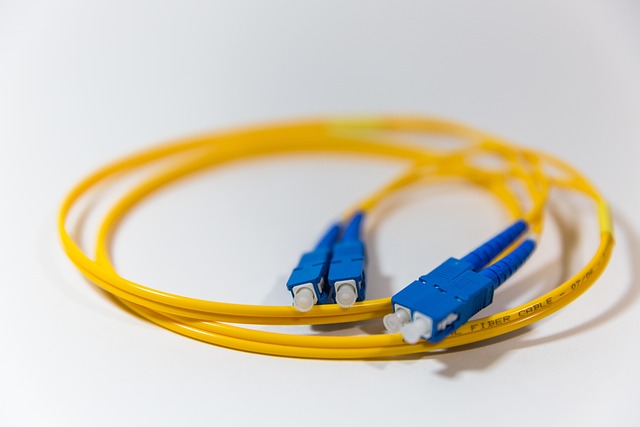
Broadband availability naturally drives digital lending trends, reshaping access to credit. High-speed internet encourages borrowers to explore online platforms, influencing financing decisions. Lenders must adapt by offering tailored services, considering diverse broadband usage. Key strategies include thorough broadband checks during onboarding, targeted marketing, promoting digital banking, and adapting to evolving connectivity for competitive edge.
In the digital age, broadband availability has emerged as a pivotal factor influencing borrowers’ financial decisions, particularly when it comes to lending data utilization. With the rise of online lending platforms and the increasing importance of data-driven analysis, understanding how broadband accessibility impacts borrowing behavior is crucial for both lenders and borrowers. This article delves into the intricate relationship between broadband availability and borrowing patterns, offering valuable insights that can shape more effective lending strategies in an increasingly connected world. By examining this connection, we aim to empower lenders and borrowers alike with knowledge to navigate the modern financial landscape efficiently and securely.
Understanding the Connection Between Broadband and Lending Data

The relationship between broadband availability and lending data is a critical aspect of modern financial services, as digital transformation continues to reshape the lending landscape. Broadband availability naturally plays a pivotal role in facilitating efficient data exchange and enhancing access to credit for borrowers. With the rise of remote work and online banking, borrowers increasingly rely on digital platforms for loan applications and documentation. High-speed, reliable broadband infrastructure ensures that this process is seamless, secure, and fast.
Lending institutions heavily depend on accurate, real-time data to make informed decisions. Broadband availability allows for the rapid transmission of borrower information, credit histories, and financial records, enabling lenders to conduct thorough assessments. This is particularly crucial in high-risk lending sectors, where detailed data analysis can mitigate potential losses. For instance, a lender offering personal loans may use broadband-enabled systems to instantly verify a borrower’s employment status through secure data sharing with employers, thus reducing the risk of fraudulent applications.
Addressing broadband availability challenges is essential to bridging the digital divide in access to credit. Online lending platforms and digital banks, which rely heavily on broadband connectivity, must ensure their services are accessible to all borrowers. One practical approach is to implement robust broadband availability address lookup systems that can identify areas with limited or no connectivity. This enables lenders to tailor their services and provide targeted solutions, such as offering offline application forms or mobile-first interfaces for users in underserved regions. By recognizing the inherent connection between broadband and lending data, financial institutions can actively contribute to a more inclusive digital economy.
Analyzing Impact: Broadband Availability and Borrower Behavior

The digital age has significantly reshaped the lending landscape, with broadband availability playing a pivotal role in shaping borrower behavior and preferences. Comprehensive analysis of this impact reveals that access to high-speed internet, facilitated by robust broadband infrastructure, has profound implications for individuals seeking loans. For instance, a study by the Federal Reserve Bank (2021) indicated that households with broadband connectivity are 15% more likely to utilize digital lending platforms compared to those without. This trend underscores the importance of examining how broadband availability influences borrowing decisions and strategies.
Broadband availability acts as an enabler, addressing the fundamental need for fast and reliable internet access. It allows borrowers to actively participate in the digital economy by providing them with the tools to research, compare, and apply for loans online. Online lending platforms, for instance, have gained significant traction due to their convenience and accessibility, particularly among younger demographics. A survey conducted by Pew Research Center (2020) revealed that 73% of adults aged 18-29 in the US prefer applying for financial products online, with broadband availability being a key driver behind this preference. Moreover, accurate broadband availability address lookup tools empower borrowers to identify areas with strong internet connections, guiding their decisions on where to seek financing.
However, it is crucial to recognize that broadband availability alone does not guarantee positive borrower outcomes. Lenders must adapt to the digital landscape by offering user-friendly online interfaces and ensuring data security to build trust. Additionally, personalized loan options tailored to different broadband usage patterns can enhance customer satisfaction. For example, a lender could offer flexible repayment plans for borrowers with limited internet access on certain days, ensuring inclusivity and accessibility. By understanding the intricate relationship between broadband availability and borrower behavior, lenders can strategically position themselves in the digital market, fostering long-term client relationships.
Strategies for Lenders to Optimize Reach with Enhanced Connectivity

Lenders face a significant challenge in reaching borrowers in an increasingly digital lending landscape, where broadband availability plays a pivotal role. With the rise of remote work and online banking, ensuring robust and widespread broadband access is essential to connecting with potential borrowers effectively. This article explores strategic approaches for lenders to optimize their reach by leveraging enhanced connectivity enabled by better broadband availability.
One of the primary steps is to conduct thorough broadband availability address lookups as part of the borrower onboarding process. By integrating advanced tools that check internet service providers and connection speeds at specific locations, lenders can gather critical data on a borrower’s digital infrastructure. For instance, a lender could identify borrowers in rural areas with limited broadband options, allowing them to offer tailored solutions or provide information about upcoming network expansions. This proactive approach ensures that lenders cater to diverse connectivity needs without assuming uniform access across geographic regions.
Furthermore, leveraging this data enables lenders to develop targeted marketing strategies. Customizing loan offers and communication based on broadband availability can significantly enhance borrower engagement. For example, for borrowers with high-speed connections, lenders might promote digital banking services and online loan management tools, while those in areas with more limited access could be informed about mobile lending apps or scheduled in-person meetings. Such personalized interactions not only improve customer satisfaction but also foster long-term lending relationships. As broadband availability continues to evolve, lenders who adapt their strategies will remain competitive, ensuring they meet the needs of a digitally connected borrower base.