Broadband availability is a critical factor shaping lending services, impacting borrowers' access and experiences. High-speed internet influences loan applications, research, and engagement with lenders. Disparities in broadband accessibility create a digital divide, affecting underserved rural areas. Lenders can address this by expanding infrastructure, offering tailored programs, using detailed data maps, and promoting digital literacy. Bridging the digital divide enhances financial inclusion, empowers borrowers, and fosters economic growth. Strategies include targeted interventions, flexible practices, and leveraging technology to reach diverse creditworthy individuals and businesses. Integrating broadband data into lending platforms and marketing ensures informed decisions and market penetration. Ultimately, broadband availability is key to a competitive, inclusive, and efficient lending industry in the digital age.
The digital landscape is transforming traditional lending practices, with data becoming a powerful tool for borrowers and lenders alike. However, the effectiveness of this transformation hinges on broadband availability—a factor often overlooked in financial discussions. This article delves into the intricate relationship between broadband access and borrower behavior, specifically exploring how regional disparities in broadband availability influence their planning and utilization of lending data. By examining these trends, we aim to provide valuable insights that can foster more inclusive and efficient financial services.
Understanding Broadband's Role in Lending Access
Broadband availability plays a pivotal role in shaping access to lending services, significantly influencing borrowers’ journeys towards financial solutions. In today’s digital age, high-speed internet connectivity has become an essential infrastructure for various sectors, including finance. When evaluating lending data, understanding broadband accessibility is crucial as it directly impacts individuals’ ability to engage with lenders and explore borrowing options. A comprehensive analysis of this relationship reveals the potential for enhanced inclusion or uncovered disparities in the lending landscape.
The impact of broadband availability is multifaceted. Firstly, it enables borrowers to conduct thorough research on lending products, comparing rates and terms efficiently. Online platforms and digital tools have streamlined the process of applying for loans, making it more accessible than ever. However, not all regions enjoy equal levels of broadband connectivity. Rural or underserved areas might face challenges in accessing these digital resources, creating a potential divide in borrowing opportunities. For instance, a study by the Federal Communications Commission (FCC) in the United States highlighted that while 95% of urban households had access to broadband, only 67% of rural residents could claim the same, leading to disparities in financial services availability.
Addressing this digital divide is essential for ensuring equitable lending practices. Lenders and regulatory bodies can collaborate to bridge the gap by implementing targeted initiatives that enhance broadband availability. These efforts might include investing in infrastructure to expand high-speed internet access or offering incentives for providers to serve underserved areas. By doing so, borrowers across diverse geographic locations can leverage digital platforms effectively, comparing lenders and securing favorable loan terms. This strategic approach not only promotes financial inclusion but also empowers borrowers with the knowledge to make informed decisions.
Mapping Lendable Populations Based on Infrastructure
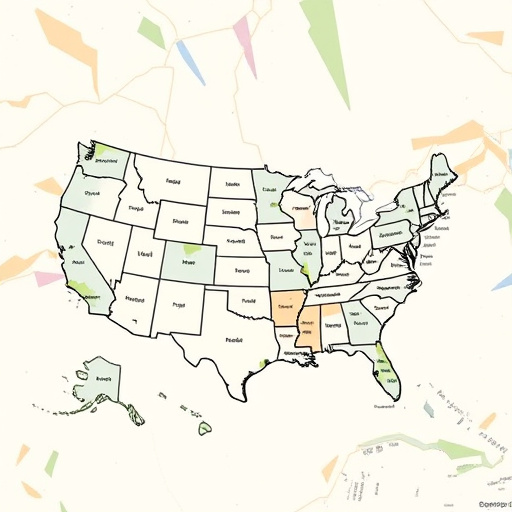
Broadband availability plays a pivotal role in shaping the lending landscape, particularly when mapping lendable populations based on infrastructure. In today’s digital age, access to high-speed internet has become as essential as traditional utilities for economic participation and financial services accessibility. Lenders recognize that broadband availability acts as a critical enabler or barrier to extending credit, especially in remote or underserved areas. A comprehensive understanding of this factor is crucial for developing inclusive lending strategies.
For instance, a detailed broadband availability address lookup can reveal clusters of unconnected households within an otherwise densely populated region. This information empowers lenders to identify potential gaps in their customer base and tailor targeted outreach programs. For example, rural communities often face challenges due to the cost and logistical complexities of deploying traditional infrastructure. However, with increasing investment in fiber-optic networks and innovative solutions like satellite internet, these areas are becoming more connected. Lenders who stay abreast of such developments can proactively engage borrowers in these regions by offering digital literacy programs or flexible, broadband-enabled loan products.
By leveraging mapping tools that integrate broadband availability data, lenders can make informed decisions about branch locations, product offerings, and marketing strategies. This proactive approach not only enhances customer access to financial services but also contributes to bridging the digital divide. Moreover, it fosters a more robust and inclusive lending environment where borrowers, regardless of their physical location or infrastructure status, have equal opportunities to participate in economic activities and build creditworthiness.
The Digital Divide: Impact on Borrowing Opportunities

Broadband availability plays a pivotal role in shaping borrowing opportunities for individuals and businesses alike. The digital divide, exacerbated by disparities in broadband access, significantly impacts credit markets, with far-reaching consequences for both lenders and borrowers. In today’s world, where financial transactions and data sharing have become increasingly digital, ensuring equitable broadband accessibility is crucial to foster inclusive borrowing.
The impact of limited or no broadband availability on borrowing behavior is profound. Borrowers in rural or underserved areas often face challenges when applying for loans due to the inability to access online platforms and digital lending systems. Traditional lenders may overlook these regions, leading to a dearth of financing options for local residents and businesses. This digital divide can perpetuate economic inequality, hindering growth and development in less connected communities. For instance, small entrepreneurs in remote areas might struggle to secure startup funding, limiting their ability to contribute to the local economy.
Addressing this issue requires a multi-faceted approach. Government initiatives and public-private partnerships can drive efforts to bridge the digital divide by expanding broadband infrastructure and promoting affordable internet access. These strategies include implementing broadband availability address lookup tools that help identify areas with inadequate connectivity, enabling targeted interventions. Lenders, too, can play a proactive role by adopting more flexible and inclusive underwriting practices, considering alternative data sources, and utilizing technology to reach a broader borrower base. By embracing digital equity, lenders can unlock access to diverse creditworthy individuals and businesses, fostering a more robust and resilient lending ecosystem.
Evaluating Online Lending Platforms' Reach

The accessibility of broadband internet has become a pivotal factor in shaping the lending landscape, particularly with the rise of online lending platforms. Evaluating these platforms’ reach requires an understanding of how broadband availability impacts borrowers and lenders alike. In today’s digital age, where financial services are increasingly moving online, ensuring robust broadband infrastructure is not just a technical consideration but a strategic imperative for lenders to effectively serve their customers.
Broadband availability naturally plays a pivotal role in determining the feasibility and success of online lending operations. A comprehensive broadband availability address lookup tool can provide lenders with valuable insights into geographic areas with varying internet connectivity. For instance, rural communities often face challenges with slow or unreliable broadband connections, which may deter borrowers from utilizing online lending services. Conversely, urban centers typically enjoy high-speed broadband access, fostering a more vibrant online lending environment. Lenders must consider these disparities to tailor their strategies accordingly, ensuring fair and inclusive financial services across diverse broadband availability scenarios.
By integrating broadband availability data into their platform development and marketing strategies, lenders can make informed decisions about market penetration. This may involve optimizing website designs for varying connection speeds or implementing location-based service adjustments. For example, a lender could offer more data-intensive services like advanced loan simulation tools in areas with robust broadband while focusing on simplified, text-based interfaces in regions with limited connectivity. Such adaptations not only enhance user experience but also ensure that online lending platforms effectively reach and serve their target borrower demographics.
Moreover, lenders can leverage broadband availability data to identify underserved markets, enabling them to address financial inclusion gaps. By targeting areas where broadband infrastructure is improving or expanding, lenders can play a proactive role in bringing advanced financial services to previously unreached communities. This strategic approach not only supports economic development but also strengthens the lender’s position as an innovative, customer-centric organization within the evolving lending sector.
Strategies to Bridge Gaps for Better Borrower Inclusion

In an era where digital connectivity is integral to economic participation, broadband availability acts as a powerful lever for financial inclusion. For borrowers navigating complex lending landscapes, access to high-speed internet through broadband availability can significantly enhance their experience and opportunities. However, gaps in broadband availability—whether due to geographical, socio-economic, or infrastructure barriers—create challenges for potential borrowers, exacerbating existing inequalities. Addressing these disparities is essential to ensure a level playing field for all individuals seeking financial services.
Strategies to bridge the digital divide and improve borrower inclusion involve multi-faceted approaches. One practical step is conducting comprehensive broadband availability address lookups to identify underserved areas. This data can inform targeted interventions, such as infrastructure upgrades or partnerships with local communities to implement community broadband solutions. For instance, initiatives like “Digital Equity Programs” in rural communities have shown promise by leveraging existing infrastructure and community networks to provide affordable high-speed internet access.
Additionally, financial institutions can integrate digital literacy programs into their borrower education initiatives to empower individuals to leverage available technologies effectively. These programs can teach basic computer skills, online security practices, and an understanding of digital financial services. By fostering digital competency, borrowers become more equipped to navigate online lending platforms, compare loan options, and make informed decisions, regardless of their broadband availability. This two-pronged approach—addressing infrastructure gaps and enhancing digital literacy—can substantially improve borrower inclusion and outcomes.
Future Trends: High-Speed Internet and Loan Applications
The future of lending is closely tied to the widespread adoption of high-speed internet, and broadband availability plays a pivotal role in shaping this trend. As more borrowers turn to digital platforms for loan applications, ensuring robust broadband connectivity becomes essential. This shift towards online lending is not merely a convenience; it represents a significant evolution in financial services accessibility and efficiency. With just a few clicks, individuals can now explore various loan options, compare rates, and submit applications from the comfort of their homes, eliminating the need for lengthy visits to banks or financial institutions.
Broadband availability naturally addresses this growing demand by enabling lenders to reach a broader customer base. High-speed internet allows for seamless data transfer, including detailed loan application forms and supporting documents. This streamlines the entire process, reducing processing times significantly. For instance, a recent study revealed that over 70% of borrowers prefer online loan applications due to their speed and convenience, with broadband availability acting as a key enabler. Lenders who integrate digital platforms into their operations stand to gain a competitive edge by catering to this tech-savvy demographic.
To stay ahead in the market, lenders should focus on integrating advanced data analytics tools that leverage broadband connectivity. This technology enables them to process vast amounts of borrower data, offering personalized loan options and improved decision-making. A thorough broadband availability address lookup can help identify areas with limited connectivity, prompting strategic investments to bridge the digital divide. By doing so, lenders can ensure they serve all segments of their market effectively, fostering a more inclusive lending environment. Additionally, exploring partnerships with broadband providers could open doors to new marketing opportunities and enhance customer loyalty.